Understanding the Cost of On-Demand Hot Water Systems
Why the Cost of Hot Water on Demand is Important
The cost of hot water on demand is a common query for homeowners looking to replace or upgrade their water heating systems. Understanding this cost involves several factors, including initial investment, operational expenses, and potential savings. Here's a quick look:
- Upfront Costs: Initial installation of tankless systems can be higher compared to traditional tank water heaters.
- Operational Efficiency: Tankless systems offer significant savings on energy bills over time.
- Long-Term Savings: Reduced energy consumption and longer lifespan provide good value.
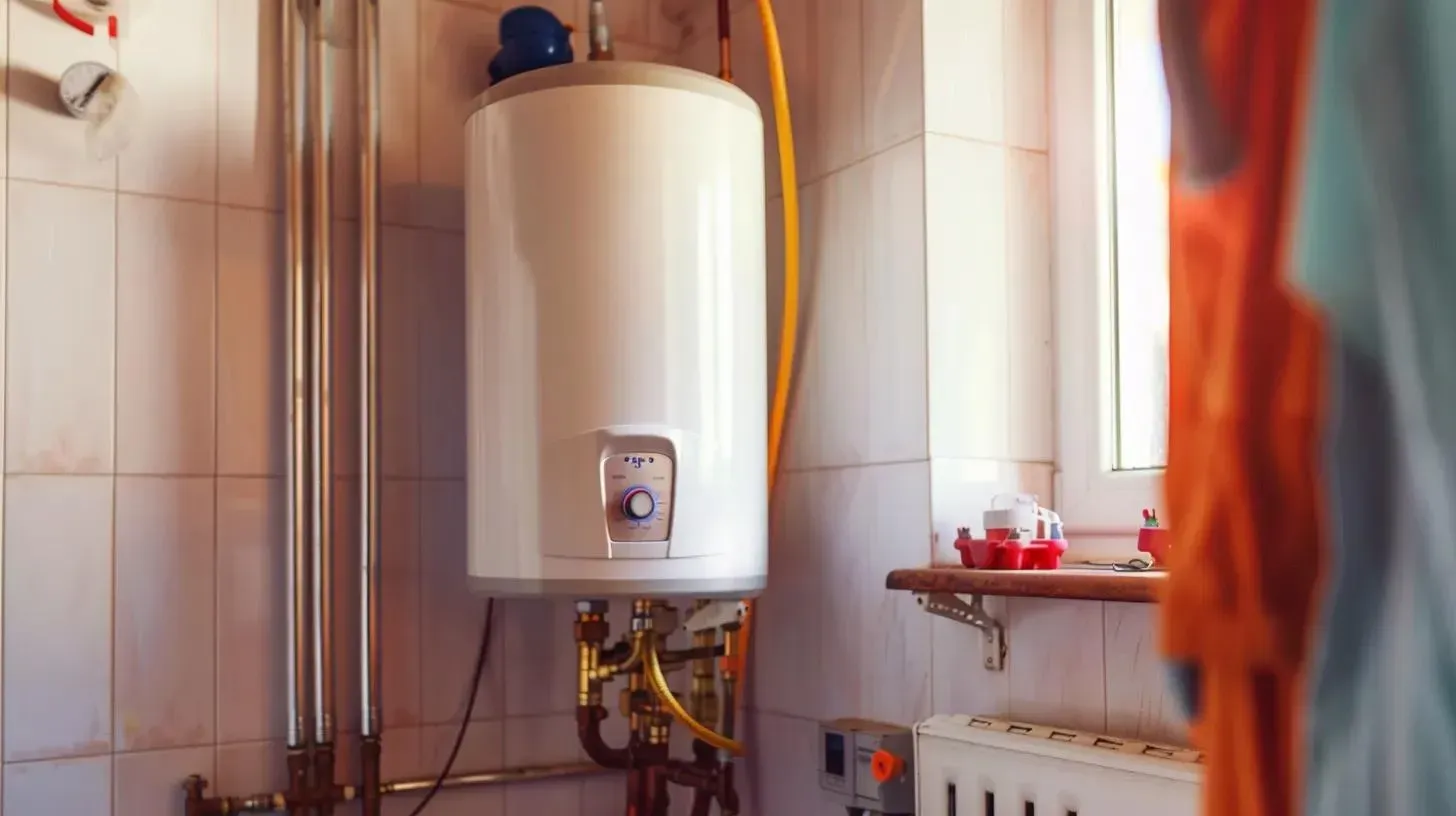
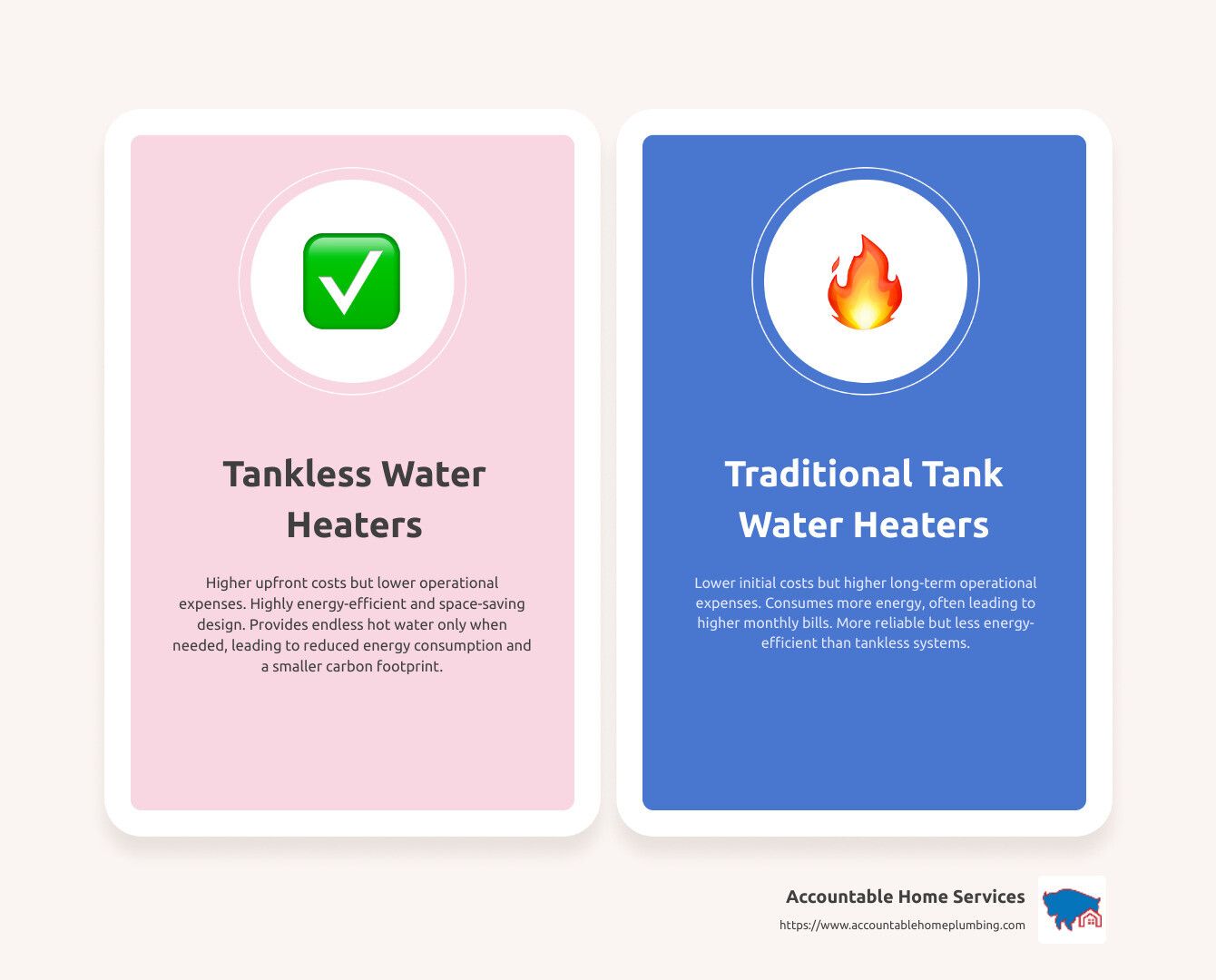
In choosing between tankless and standard water heaters, it’s essential to analyze both the financial and environmental impacts. Tankless models boast a compact design and provide hot water on demand without occupying much space. They are known for their energy efficiency, as they heat water only when needed. This can lead to lower energy bills and a smaller carbon footprint, which is appealing to many eco-conscious homeowners in the Denver Metro area.
On the flip side, traditional tank water heaters showcase reliability with their simpler technology and lower upfront costs. However, they typically consume more energy, leading to higher monthly bills. It's crucial for homeowners to weigh these factors considering their specific needs and budget constraints to make a smart choice.
Cost of Hot Water on Demand
Factors Influencing Cost
When considering the cost of hot water on demand, several factors come into play. These include the system size, flow rate, fuel type, and labor costs.
- System Size and Flow Rate: The size of the tankless water heater and its flow rate directly affect the cost. Larger units with higher flow rates can supply more hot water simultaneously, but they come with a higher price tag. For larger households in areas like Denver or Boulder, investing in a bigger unit might be necessary to meet high demand.
- Fuel Type: The type of fuel used—natural gas, propane, or electricity—also influences costs. Natural gas units are often more expensive initially but can lead to savings on monthly energy bills.
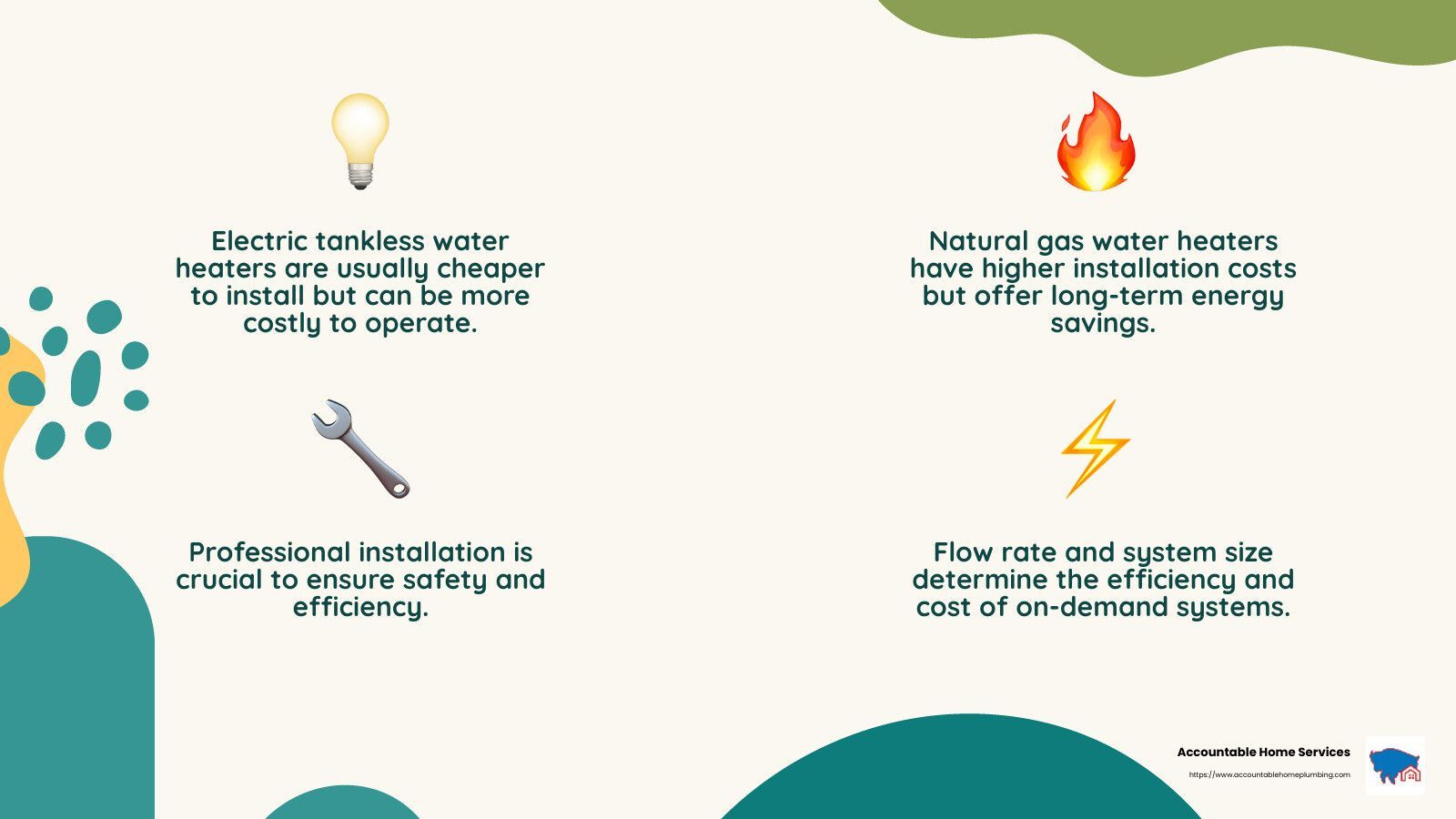
3. Labor: Professional installation is crucial. Hiring a qualified plumber ensures the system is set up correctly and safely. Labor rates can vary based on location and complexity. For instance, installing a gas-powered unit might require upgrading gas lines, which could increase costs.
Installation Costs
The installation costs for tankless water heaters can be significant, especially compared to traditional tank systems. Here's what you need to know:
- Professional Installation: It's vital to have a professional handle the installation. This ensures that the unit is correctly connected to the gas or electric supply and that all safety standards are met. In areas like Thornton and Westminster, hiring a licensed professional is mandatory.
- Labor Rates: The cost of labor varies. In the Denver Metro area, expect to pay more due to higher living costs. It's wise to get multiple estimates to find the best deal.
- Accessibility: If your home's layout makes it challenging to install a tankless system, expect additional costs. Homes with easy access to gas and water lines might incur lower installation fees.
Understanding these factors can help homeowners in Broomfield, Northglenn, and beyond make informed decisions about their hot water systems. By evaluating upfront and operational costs, you can determine the best fit for your needs and budget.
Next, let's explore the Benefits of On-Demand Hot Water Systems and how they can improve your home's efficiency and comfort.
Benefits of On-Demand Hot Water Systems
Energy Efficiency
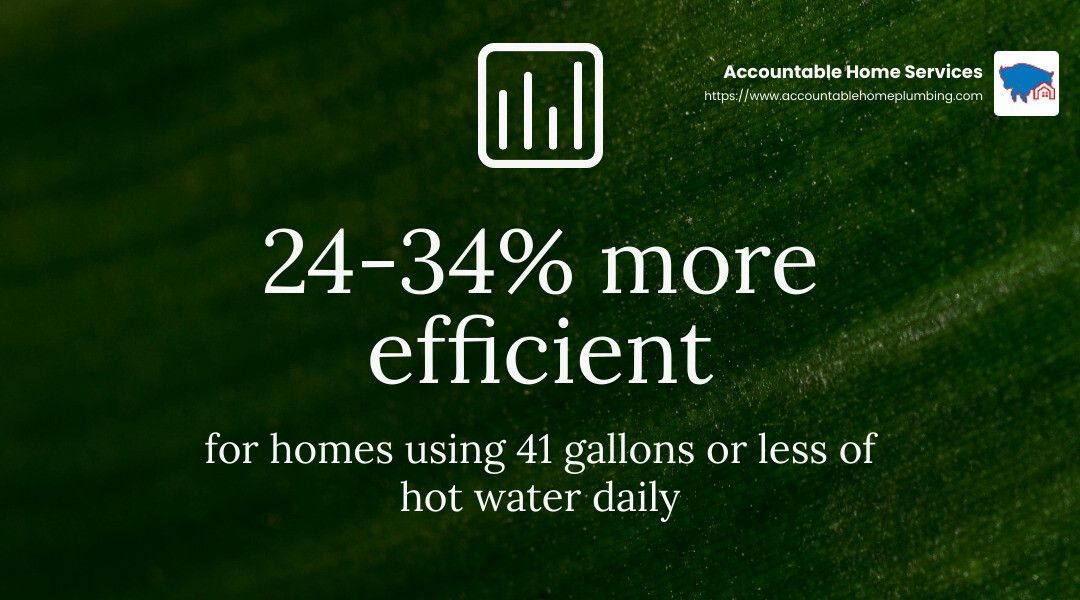
Tankless water heaters, or on-demand systems, are champions of energy efficiency. Unlike traditional tanks that keep water hot 24/7, tankless models heat water only when needed. This means decreased energy usage and lower utility bills. In fact, a tankless system can be 24-34% more efficient for homes using 41 gallons or less of hot water daily.
Longevity is another perk. Tankless systems often last more than 20 years, nearly double the lifespan of a standard tank heater. This longevity translates into long-term savings and fewer replacements, which is great for both your wallet and the environment.
Speaking of the environment, on-demand systems reduce greenhouse gas emissions. By using less energy, they contribute to a smaller carbon footprint, making them an eco-friendly choice for households in environmentally-conscious areas like Boulder and Denver.
User Satisfaction
When it comes to user satisfaction, tankless water heaters shine brightly. One of the most appreciated features is the supply of endless hot water. Whether you're running multiple showers in a busy household or filling up a large tub, you won't run out of hot water. This is a significant advantage over traditional tanks that can run cold when demand is high.
Another user-favorite benefit is the increased space. Without a bulky tank, homeowners can enjoy more usable space in their utility areas. This is particularly beneficial in smaller homes or apartments where every square foot counts.
Improved safety is also notable. Tankless systems eliminate the risk of tank leaks and the potential water damage they can cause. They also pose a lower risk of burns, as the water is heated to a set temperature.
Maintenance is relatively straightforward, especially with regular descaling to prevent mineral buildup. This routine care ensures the system runs efficiently and extends its lifespan. Plus, these systems can boost your home's resale value. Potential buyers often appreciate the modern, energy-efficient upgrade, which can make your property more attractive in competitive markets like Arvada and Longmont.
With these benefits in mind, it's clear why many homeowners are making the switch to tankless water heaters. Next, let's address some Frequently Asked Questions about On-Demand Hot Water Systems to help you make an informed decision.
Frequently Asked Questions about On-Demand Hot Water Systems
Is hot water on demand expensive?
Switching to a tankless water heater can feel like a big investment at first. The upfront costs are higher than traditional tank systems, often due to the need for professional installation and potential upgrades to your gas line or electrical system. However, these costs can be offset by monthly savings on your energy bills. Since tankless systems only heat water as needed, they use less energy over time. This means you could see a noticeable reduction in your utility bills, especially if your household uses less than 41 gallons of hot water daily.
What is the downside to a tankless water heater?
While tankless water heaters have many benefits, they do have some limitations. One common issue is simultaneous usage. If your household has high hot water demand at the same time—like running multiple showers, a dishwasher, and a washing machine—you might experience flow rate limitations. This could result in a decrease in water temperature or pressure. To avoid this, it's crucial to choose a unit with the right flow rate for your home's needs.
Additionally, if there's a power outage, a tankless system won't provide hot water, unlike traditional tanks that can store a reserve. Regular maintenance, such as descaling, is also required to prevent mineral buildup and ensure efficient operation.
Can I replace my 40-gallon water heater with a tankless water heater?
Yes, replacing a 40-gallon tank with a tankless system is possible, but there are some installation options to consider. First, you'll need to assess your home's system compatibility. This includes ensuring you have the appropriate gas line or electrical capacity. A professional plumber can help determine if any upgrades are needed.
Installing a tankless system may require changes to your existing plumbing and venting systems, which can increase the initial cost. However, the long-term benefits, such as energy efficiency and space savings, often make it a worthwhile investment.
In conclusion, while the transition to a tankless water heater involves some upfront planning and cost, the benefits of energy savings, endless hot water, and added home value often outweigh the downsides.
Conclusion
Choosing the right water heating system is a big decision for any homeowner. At Accountable Home Services, we understand that making an informed choice can lead to significant long-term savings. Our team is here to help you steer the complexities of switching to a tankless water heater.
By investing in a tankless system, you're not just paying for the immediate convenience of endless hot water. You're also securing a future with lower energy bills and a more environmentally friendly home. These systems are designed to last longer than traditional tanks, providing better value over time.
We provide 24/7 services in the Denver Metro area, ensuring that any issues you encounter are resolved quickly. Our commitment to upfront pricing means you won't face any hidden fees, making your transition to on-demand hot water as smooth as possible.
Explore more about our water heater installation services and let us help you make a decision that aligns with your needs and budget. With the right guidance, you can enjoy the many benefits of a tankless water heater while enhancing your home's comfort and efficiency.