Running Toilet Repair: DIY Fixes and When to Call a Denver Plumber
That phantom sound of water trickling in your bathroom at 2 AM means one thing: your toilet is running. Beyond the annoyance of constant noise, a running toilet silently drains your wallet through wasted water. A single running toilet can waste over 200 gallons of water daily, adding significant dollars to your monthly Denver Water bill. The good news is that most running toilet repairs fall within DIY capability, requiring minimal tools and inexpensive parts.
Before calling a plumber, understanding what causes toilets to run continuously helps you diagnose the problem and potentially fix it yourself. The internal mechanisms of your toilet are remarkably simple once you know what to look for. Most running toilet issues trace back to just three components: the flapper, fill valve, or overflow tube. Learning to identify which component has failed saves time and ensures you purchase the correct replacement parts.
1. How Your Toilet Tank Actually Works
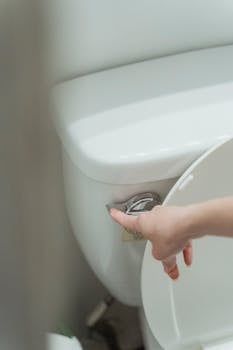
Every flush triggers a precise sequence of mechanical events inside your toilet tank. When you press the handle, a lift chain raises the flapper valve at the tank bottom, releasing water into the bowl. This water rushing down creates the siphon effect that clears waste from the bowl. Once the tank empties, the flapper falls back into place, sealing the flush valve opening and allowing the tank to refill.
The fill valve senses when water level drops during a flush and opens to refill the tank. As water rises, a float mechanism gradually closes the fill valve until it shuts off completely at the proper water level. A small refill tube directs water into the overflow tube, replenishing the bowl water that seals against sewer gases. This entire cycle happens automatically with every flush, thousands of times per year.
When any component in this system fails, the result is a running toilet. Water either continuously leaks past the flapper into the bowl, or the fill valve fails to shut off properly, sending water down the overflow tube. Understanding this mechanism makes diagnosing problems straightforward and repairs logical rather than mysterious.
Colorado's hard water accelerates wear on these components. Mineral deposits coat rubber flappers, preventing proper sealing. Calcium buildup inside fill valves causes them to stick open or closed. Denver homeowners often find their toilet components fail faster than national averages suggest, making regular inspection and replacement important preventive maintenance.
2. The Food Coloring Test: Diagnosing Your Running Toilet
Before replacing anything, determine exactly what is failing. The food coloring test provides definitive diagnosis in just fifteen minutes. Remove the tank lid and add several drops of food coloring or a dye tablet to the tank water. Do not flush. Wait fifteen minutes and check the bowl water. If color appears in the bowl, water is leaking past your flapper, confirming it needs replacement.
If the bowl water remains clear after fifteen minutes, your flapper seals properly. In this case, the running water sound comes from the fill valve or overflow system. Watch the water level in your tank. If water continuously flows into the overflow tube, either your fill valve fails to shut off or your float is set too high. Both situations waste water but require different repairs than a bad flapper.
Listen carefully to your running toilet. A continuous hissing sound typically indicates the fill valve running constantly. Water trickling or rippling in the bowl suggests flapper leakage. Intermittent running, where the toilet randomly refills every few minutes without being flushed, points to a slow flapper leak allowing gradual water loss that eventually triggers the fill valve.
Document what you observe before purchasing parts. Hardware store employees can recommend correct replacements based on your symptoms, and online videos match your specific situation when you can describe exactly what happens. Taking photos inside your tank also helps identify your fill valve brand when purchasing replacements.
3. Replacing a Faulty Toilet Flapper
Flapper replacement solves the majority of running toilet problems and ranks among the easiest home plumbing repairs. Start by shutting off water to the toilet using the shutoff valve behind the bowl, typically on the left side near the floor. Flush the toilet to empty the tank, then sponge out any remaining water. This prevents a mess and gives you clear access to work.
Unhook the lift chain from the flush handle lever and note how many links of slack exist in the chain. Too much slack prevents proper flushing; too little holds the flapper partially open, causing running. Slip the old flapper off the overflow tube pegs or the pivot ring, depending on your toilet style. Take the old flapper to the hardware store to match the size and style exactly.
Install the new flapper by reversing the removal process. Ensure it seats flat over the flush valve opening without twisting or binding. Reconnect the lift chain with the same amount of slack as before, or adjust slightly if the old chain setting seemed problematic. Turn the water supply back on and let the tank fill. Flush several times and observe the flapper closing completely each time.
Repeat the food coloring test after installation to confirm the repair worked. New flappers occasionally need adjustment or break in period to seal perfectly. If slight leaking persists, check that the flush valve seat is smooth and clean. Mineral deposits or roughness on this surface prevent even new flappers from sealing properly and may require cleaning or flush valve replacement.
4. Fill Valve Repair and Replacement
When your flapper tests good but the toilet still runs, the fill valve becomes the primary suspect. Modern fill valves are universal, inexpensive, and relatively simple to replace. Older Denver homes sometimes have antique fill valves requiring specific parts, but most toilets accept standard replacement valves available at any hardware store.
Before full replacement, try adjusting your current fill valve. Most have an adjustment screw or clip that raises or lowers the water shutoff level. If water runs into the overflow tube, lowering the fill level may solve the problem without replacement. The water level should rest about one inch below the overflow tube top when the tank is full and quiet.
For replacement, shut off the water supply and flush to empty the tank. Place towels under the tank and have a bucket ready. The fill valve connects to the tank through a hole in the bottom, secured by a large plastic nut underneath. Disconnect the water supply line, then unscrew the mounting nut. Pull the old fill valve straight up and out of the tank.
New fill valves include instructions specific to that model. Generally, you adjust the valve height to position the critical level mark about one inch above the overflow tube. Insert the valve through the tank hole, secure with the mounting nut finger-tight plus a quarter turn, and reconnect the supply line. The small refill tube clips to the overflow tube, directing water into it during refilling.
Turn on the water supply and watch the tank fill. Adjust the float or water level setting until the tank fills to proper level then stops completely. No water should enter the overflow tube during normal operation. If adjustment seems impossible or the valve continues running after several attempts, a defective replacement occasionally occurs, warranting exchange for another unit.
5. When Running Toilets Need Professional Attention
Some running toilet situations exceed comfortable DIY territory. Recognizing these scenarios prevents frustration and potential damage while ensuring proper repair. Professional plumbers handle these situations efficiently, often identifying issues that homeowners would struggle to diagnose or repair.
Cracked toilet tanks or bowls cause running problems that no internal repair fixes. If you notice water around the toilet base or tank exterior, carefully inspect for cracks. Hairline cracks can be difficult to spot but worsen over time. Cracked toilets require complete replacement rather than repair, and the flooding risk during continued use makes professional assessment worthwhile.
Older toilets with non-standard parts sometimes require components that are discontinued or difficult to source. If your toilet has unusual mechanisms or your hardware store cannot match your existing parts, a plumber may have access to specialized suppliers or can advise whether repair or replacement makes more financial sense. Some vintage toilets cost more to repair than modern efficient replacement toilets.
Recurring problems despite proper repairs suggest issues beyond the obvious components. Tree roots in sewer lines can cause toilets to run by creating backpressure. Venting problems affect toilet operation in unexpected ways. Main line issues may manifest first through toilet behavior changes. Professional diagnosis identifies these underlying causes that DIY repairs cannot address.
If you have replaced both the flapper and fill valve but your toilet continues running, something unusual is happening. Professional plumbers use experience and diagnostic tools to identify problems that escape typical troubleshooting. The cost of a service call often proves less than continued water waste and repeated unsuccessful repair attempts.
Stop Wasting Water and Money on Running Toilets
A running toilet represents both an annoyance and an ongoing expense that grows with every passing day. Most running toilets yield to simple DIY repairs costing under twenty dollars in parts. The food coloring test quickly identifies whether your flapper or fill valve has failed, directing your repair efforts accurately.
Taking action promptly prevents water waste that can add hundreds of dollars annually to your utility bills. Denver Water calculates that fixing a leaky toilet can save the average household over 10,000 gallons per year. That savings alone justifies the minimal time and money required for repair, and eliminates the irritating sound of constantly running water.
When DIY repairs prove unsuccessful or the situation seems beyond your comfort level, Accountable Home Plumbing provides fast, professional toilet repair throughout Denver, Thornton, Arvada, and surrounding communities. Our technicians diagnose problems accurately, carry common replacement parts on their trucks, and complete most toilet repairs in a single visit. Call (720) 620-3272 to schedule service and stop your running toilet from wasting another gallon.