Shower Drain Slow or Clogged? Expert Solutions for Denver Homeowners
Standing in ankle deep water during your morning shower signals a common but frustrating problem. Slow shower drains affect millions of homeowners, and Denver residents face this issue frequently due to our hard water and the hair, soap, and products that accumulate in drain pipes over time. While the problem develops gradually, the fix often proves simpler than you might expect when you understand what causes it and how to address it properly.
Ignoring a slow shower drain invites bigger problems. What starts as minor inconvenience becomes standing water, unpleasant odors, and eventually complete blockages that require professional intervention. More seriously, standing water damages grout, caulk, and subflooring while creating conditions where mold and mildew thrive. Taking action when drains first slow prevents these escalating issues and keeps your bathroom healthy and functional.
1. Why Shower Drains Clog in Denver Homes
Understanding what causes shower drain clogs helps you prevent them and choose effective solutions. Most shower drain problems result from a predictable combination of factors that accumulate over time. Hair represents the primary culprit, binding with soap residue to form stubborn masses that restrict water flow. Every shower sends hair toward the drain, where it catches on the drain cover, stopper mechanism, or pipe walls.
Soap scum compounds the hair problem significantly. Traditional bar soaps leave residue that combines with minerals in Denver's hard water, creating a sticky film that coats pipe interiors and traps debris. This film builds up layer by layer, gradually narrowing the drain passage. Liquid body washes and shampoos contribute less soap scum but still leave residues that support clog formation.
Denver's hard water deserves specific attention. Mineral deposits form inside pipes as water evaporates, creating rough surfaces that catch hair and debris more readily. These calcium and magnesium deposits accumulate faster in hot water lines like those feeding showers. Over years, mineral buildup can significantly reduce pipe diameter, making clogs more frequent even with good drain maintenance habits.

Product buildup adds another dimension. Conditioners, hair treatments, shaving cream, and body oils all leave residues that contribute to clogs. Exfoliating scrubs and facial products containing microbeads or grainy textures can accumulate in drain traps. Even natural products leave organic material that feeds bacteria, creating biofilm that narrows pipes and produces unpleasant drain odors.
2. DIY Shower Drain Cleaning Methods That Work
Before calling a plumber, several effective DIY methods can restore proper drainage. Start with the simplest approach: removing visible debris from the drain cover and stopper mechanism. Most shower drains have removable covers that unscrew or pop out, revealing accumulated hair wrapped around the crossbars or stopper body. Use needle nose pliers or a drain cleaning tool to remove this material.
The bent wire hanger method extends your reach into the drain pipe. Straighten a wire coat hanger, create a small hook at one end, and carefully fish out hair and debris from the drain opening. This simple technique often removes enough material to restore drainage without any chemicals or special tools. Work slowly to avoid pushing clogs deeper into the pipe.
Boiling water provides a surprisingly effective treatment for soap scum and grease buildup. Pour a full kettle of boiling water directly down the drain, allow it to work for several minutes, then follow with another kettle. The heat melts soap residue and softens organic material, allowing it to flush through the system. This method works best as regular maintenance before drains become fully clogged.
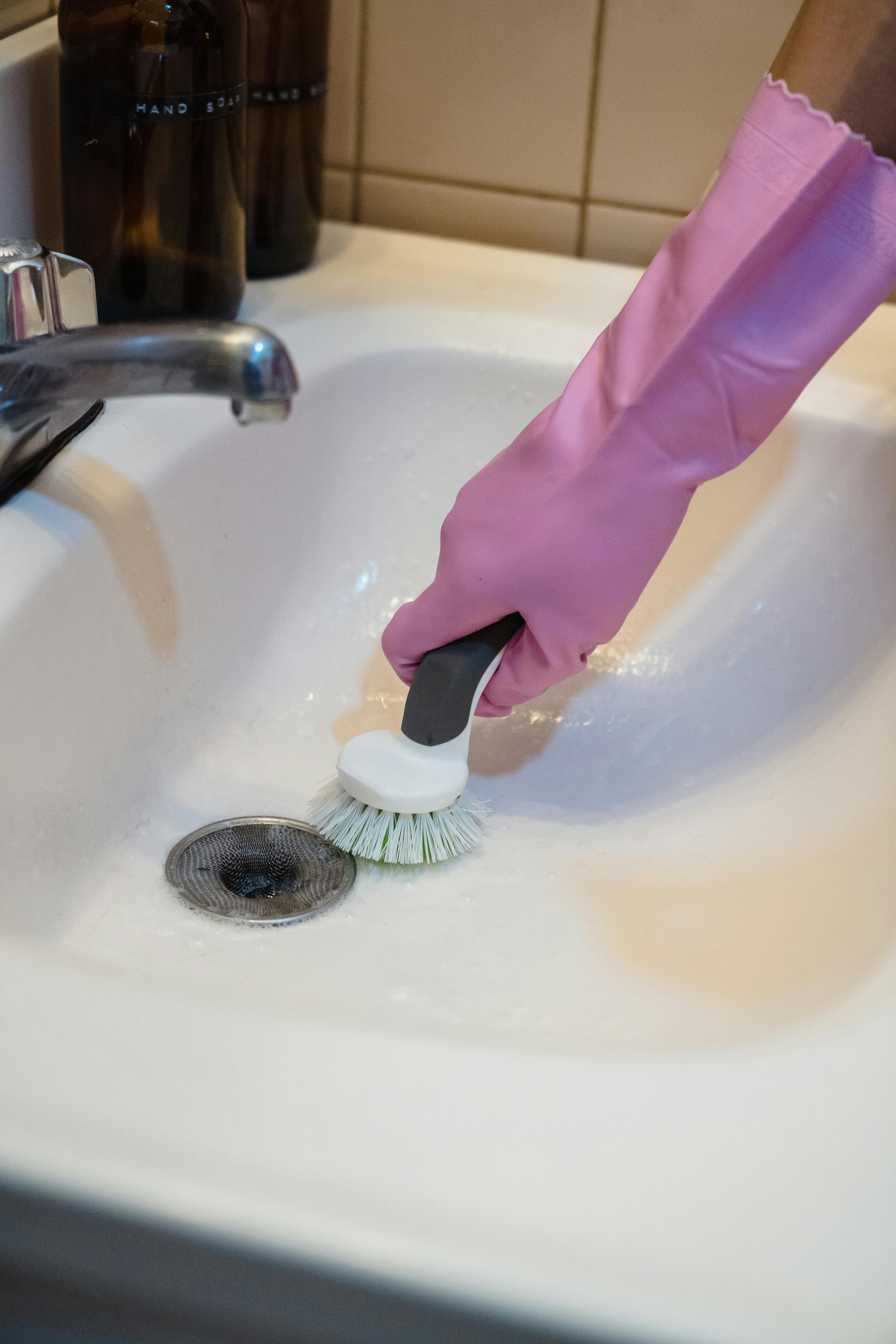
The baking soda and vinegar combination creates a fizzing action that helps break up clogs. Pour half a cup of baking soda down the drain, follow with half a cup of white vinegar, and cover the drain opening. The chemical reaction produces foam that works through organic buildup. After fifteen minutes, flush with hot water. While not as powerful as commercial cleaners, this method avoids harsh chemicals and works well for minor clogs.
Enzyme drain cleaners offer a safer alternative to chemical products. These biological cleaners use natural enzymes and bacteria to digest organic material in your drain. They work slowly, typically overnight, but cause no pipe damage and continue working after application. Monthly enzyme treatments prevent clogs from forming and help maintain clear, odor free drains without toxic chemicals.
3. When to Avoid Chemical Drain Cleaners
Hardware stores stock numerous chemical drain cleaners promising instant results, but these products cause serious problems in many situations. Understanding when to avoid chemicals protects your plumbing system and your safety. Despite marketing claims, chemical cleaners often fail on hair clogs while damaging pipes in the process.
Caustic drain cleaners generate heat through chemical reactions, potentially softening PVC pipes and damaging older metal plumbing. Repeated use degrades pipe walls, creating weak spots where leaks develop. The very effectiveness that dissolves clogs also attacks pipe materials, particularly at joints and connections where chemicals pool. Professional plumbers frequently encounter pipe damage caused by chemical drain cleaner use.
Safety concerns extend beyond pipe damage. Chemical drain cleaners create dangerous situations if they fail to clear clogs and remain in standing water. When a plumber later uses mechanical tools, splashing chemical residue creates serious burn and eye injury risks. The fumes from these products irritate respiratory systems and require proper ventilation during use.
If you have already used chemical cleaners on a drain without success, inform any plumber before they begin work. Never mix different chemical products, as dangerous reactions can occur. Store drain cleaners away from children and pets, and consider whether the modest convenience justifies the risks and potential pipe damage involved.
4. Professional Shower Drain Cleaning Options
When DIY methods fail to restore drainage, professional plumbers offer several effective solutions. Understanding these options helps you communicate with service providers and make informed decisions about drain cleaning services. Different situations call for different approaches, and experienced plumbers match methods to specific problems.
Drain snaking, also called mechanical augering, uses a flexible cable to break through and extract clogs. The snake feeds into the drain, rotating to catch hair and debris on its spiral tip. Snaking works excellently for hair clogs and localized blockages near the drain opening. Most shower drain clogs yield to snaking, making it the first professional method attempted in most cases.
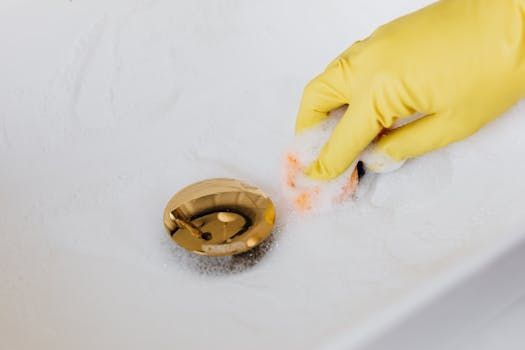
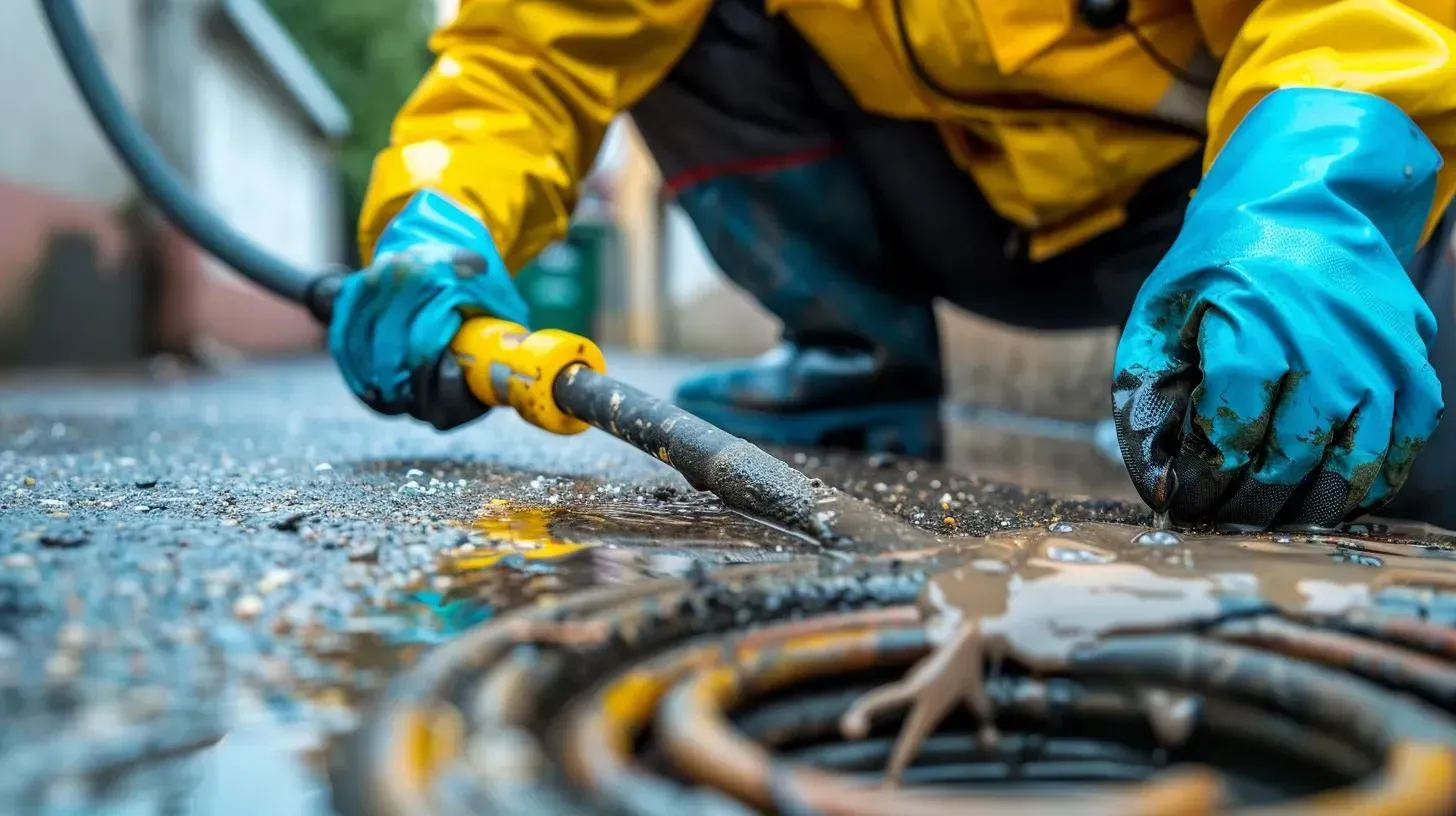
Hydro jetting uses high pressure water to scour pipe interiors clean. This method excels at removing mineral buildup, stubborn grease, and recurring clogs that snaking alone cannot resolve. The powerful water stream restores pipes to nearly original condition, removing years of accumulated deposits. Hydro jetting costs more than snaking but provides more thorough cleaning for severe cases.
Video camera inspection allows plumbers to see exactly what is causing drainage problems. A small waterproof camera feeds through the drain, transmitting images to a monitor. This technology identifies whether problems stem from simple clogs, pipe damage, root intrusion, or other issues requiring different solutions. Camera inspection eliminates guesswork and ensures appropriate treatment.
For showers with integrated pop up or lift and turn drain mechanisms, professional service often involves removing these components for thorough cleaning or replacement. These mechanisms accumulate significant debris in locations homeowners cannot easily access. A plumber can disassemble, clean, and reassemble these drains properly, restoring full functionality.
5. Preventing Future Shower Drain Problems
Prevention costs far less than repair, both in money and inconvenience. Simple habits dramatically reduce shower drain problems, keeping water flowing freely with minimal effort. Implementing these practices after clearing a clog helps ensure you do not face the same problem again soon.
Drain covers with fine mesh catch hair before it enters the drain pipe. These inexpensive devices fit over existing drains and capture the primary clogging agent at the source. Clean the mesh after each shower, disposing of collected hair in the trash rather than washing it down the drain. Quality drain covers cost a few dollars and prevent most shower drain clogs entirely.
Weekly hot water flushes prevent soap scum and product residue from accumulating. After showering, pour a kettle of boiling water down the drain to melt and flush away residue before it hardens. This thirty second habit extends significantly the time between needed drain cleanings and maintains optimal flow between deeper maintenance.

Monthly enzyme treatments maintain clear drains without harsh chemicals. These biological cleaners digest organic material that accumulates despite your best prevention efforts. Using enzyme cleaners regularly keeps drains clear and odor free while being completely safe for all pipe types. Consider them preventive maintenance rather than clog treatment.
Consider water softening if Denver's hard water creates recurring problems throughout your home. Water softeners remove minerals before they can deposit inside pipes, reducing scale buildup in all fixtures and appliances. While representing a larger investment, whole house water softening pays dividends in reduced plumbing problems, longer appliance life, and better soap performance.
Clear Drains Mean Better Showers
A properly draining shower transforms your daily routine from frustrating experience to refreshing start. Most slow shower drains respond to simple DIY methods when addressed promptly. Hair removal, hot water flushes, and enzyme treatments handle the majority of problems without professional help. Prevention through drain covers and regular maintenance keeps water flowing freely year after year.
When home remedies prove insufficient, professional drain cleaning quickly restores proper function. Modern plumbing techniques like snaking and hydro jetting clear even stubborn clogs without damaging pipes. Understanding your options helps you communicate effectively with service providers and make informed decisions about the best approach for your situation.
Accountable Home Plumbing provides expert drain cleaning services throughout Denver, Thornton, Arvada, and surrounding communities. Our technicians diagnose drainage problems accurately and recommend solutions matched to your specific situation. We carry professional grade equipment capable of handling any clog, from simple hair buildup to stubborn mineral deposits. Call (720) 620-3272 to schedule service and restore your shower drain to proper function today.