Complete Guide to Bathroom Plumbing Repairs and Maintenance in Denver
Your bathroom contains some of the most heavily used plumbing fixtures in your entire home. From the toilet you flush multiple times daily to the shower that starts your morning, these systems work hard and eventually need attention. Understanding how bathroom plumbing works empowers Denver homeowners to tackle minor issues, recognize warning signs early, and know exactly when professional intervention saves money in the long run.
The average household uses bathrooms dozens of times per day, putting constant stress on pipes, valves, seals, and fixtures. Colorado's hard water adds another layer of complexity, causing mineral buildup that accelerates wear on bathroom plumbing components. Whether you live in a century-old Denver bungalow or a new construction home in the suburbs, bathroom plumbing problems will eventually find you. The question becomes how prepared you are to handle them.
1. Understanding Your Bathroom Plumbing System
Every bathroom contains two separate plumbing systems working in tandem. The supply system delivers fresh water under pressure to your fixtures, while the drain-waste-vent system removes used water and waste by gravity. Understanding this distinction helps you diagnose problems faster and communicate more effectively with plumbers when professional help becomes necessary.
Supply lines typically run through walls and floors, connecting to shutoff valves beneath sinks and behind toilets. These valves allow you to isolate individual fixtures during repairs without shutting off water to your entire home. Knowing where these valves are located and testing them periodically ensures they work when emergencies happen. Many Denver homeowners discover their shutoff valves are frozen or corroded only during a crisis, turning a minor leak into major water damage.
The drain system relies on proper venting to function correctly. Vent pipes extend through your roof, allowing air into the drain system so water flows smoothly rather than gurgling and draining slowly. When you hear strange sounds from your bathroom drains or notice slow drainage across multiple fixtures, venting problems often share responsibility with clogs.
Water pressure in your bathroom affects everything from shower enjoyment to toilet fill times. Denver municipal water pressure typically ranges from 40 to 80 PSI, though pressure reducing valves protect homes from excessive pressure that damages fixtures and causes leaks. If your bathroom experiences different pressure than other areas of your home, localized blockages or failing shutoff valves deserve investigation.
2. Toilet Troubles: Common Problems and Solutions
Toilets rank among the most reliable plumbing fixtures, yet they still develop problems requiring attention. A running toilet wastes hundreds of gallons of water monthly, significantly impacting your Denver Water bill while also indicating internal components need replacement. Most running toilet repairs cost under twenty dollars in parts and take less than an hour for handy homeowners to complete.
The flapper valve inside your tank controls water flow from tank to bowl. Over time, these rubber components degrade, especially in Colorado's hard water, allowing water to continuously seep past. Testing for a bad flapper is simple: add food coloring to your tank and wait fifteen minutes without flushing. If color appears in the bowl, your flapper needs replacement. This five-dollar part saves most running toilet problems.
Fill valves control how your tank refills after flushing. When they fail, toilets may continuously run, make strange noises, or fail to fill completely. Modern fill valves are universal and relatively easy to replace, though older Denver homes sometimes have non-standard toilets requiring specific parts. If your toilet continues running after replacing the flapper, the fill valve becomes the next suspect.
Clogs represent the most common toilet problem homeowners face. While plungers resolve most clogs, recurring blockages suggest larger issues. Tree roots infiltrating sewer lines, partial obstructions in the main drain, or objects accidentally flushed can cause repeated problems. A single clog responds to a plunger; multiple clogs in a short period warrant professional camera inspection of your drain lines.
Toilet leaks at the base indicate the wax ring seal has failed. This critical component prevents sewer gases from entering your home and water from damaging your floor. If you notice water pooling around your toilet base or detect sewer odors in your bathroom, the wax ring requires immediate replacement. While some homeowners tackle this repair themselves, the toilet must be completely removed and reset, making professional installation worthwhile for many Denver residents.
3. Shower and Bathtub Plumbing Essentials
Shower plumbing combines supply and drain systems in ways that create unique maintenance challenges. The enclosed nature of shower plumbing means problems often develop invisibly until significant damage occurs. Paying attention to water pressure changes, drainage speed, and any unusual sounds helps catch issues before they escalate into expensive repairs.
Showerhead problems frequently involve mineral buildup from Denver's hard water. White crusty deposits restrict water flow, create uneven spray patterns, and eventually clog showerheads completely. Soaking your showerhead in white vinegar overnight dissolves most mineral deposits, restoring normal function without replacement. This simple maintenance task extends showerhead life significantly and improves your daily shower experience.
Shower valve cartridges control water temperature and flow. When these fail, you experience temperature fluctuations, difficulty achieving comfortable temperatures, or handles that spin without affecting water flow. Cartridge replacement varies significantly by manufacturer, with some requiring specialized tools or specific replacement parts. Identifying your valve brand before attempting repairs saves frustration and potential damage.
Slow shower drains typically result from hair and soap buildup in the drain and trap. Regular cleaning prevents complete blockages that require professional intervention. Remove visible hair from drain covers weekly, and use enzyme-based drain cleaners monthly to break down soap scum and organic matter. Avoid chemical drain cleaners that damage pipes and create hazardous conditions if professional snaking becomes necessary.
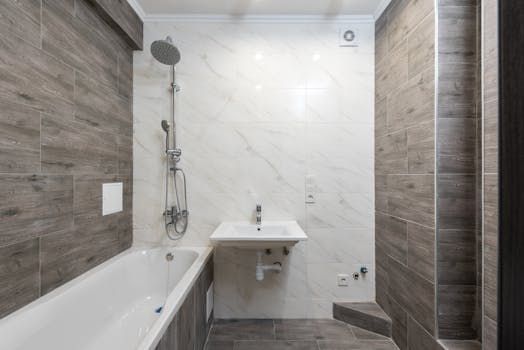
Bathtub drain mechanisms include lift-and-turn, push-pull, trip lever, and pop-up styles. Understanding your specific type helps when cleaning becomes necessary or components fail. Trip lever drains, common in older Denver homes, have linkages inside the overflow tube that corrode and break over time. When your tub stopper stops holding water or drains slowly regardless of cleaning, internal mechanism failure often requires professional repair.
4. Bathroom Sink and Faucet Maintenance
Bathroom sink faucets see constant use, making eventual failure inevitable. Dripping faucets waste water and money while indicating worn internal components. Most dripping faucets need new cartridges, O-rings, or washers depending on faucet type. Identifying whether you have compression, ball, cartridge, or ceramic disc faucets determines the appropriate repair approach.
Low water pressure at a single bathroom faucet usually indicates a clogged aerator. This small screen at the faucet tip catches debris and mineral deposits, eventually restricting flow. Unscrewing the aerator and cleaning or replacing it takes minutes and costs almost nothing while restoring full water pressure. If cleaning the aerator fails to improve pressure, supply line issues deserve investigation.
Sink drains clog from toothpaste, soap, hair, and various products that accumulate in the P-trap below. The P-trap's curved design holds water that blocks sewer gases but also catches debris. Placing a bucket beneath the trap and removing it for cleaning resolves many slow drain problems. Pop-up drain stoppers also accumulate significant debris on their mechanisms, requiring periodic removal and cleaning.
Shut-off valves beneath bathroom sinks allow isolation during repairs but often freeze from disuse. Testing these valves annually by closing and opening them prevents emergency situations where a leak cannot be stopped. If a valve proves difficult to turn or leaks when operated, replacement before an emergency proves far easier than during one. Quarter-turn ball valves offer more reliable operation than older gate valves common in Denver's aging housing stock.
Sink mounting and caulk seals prevent water damage to cabinets and walls. Inspect caulk lines around your sink periodically, looking for gaps, discoloration, or mold growth indicating seal failure. Removing old caulk and applying fresh silicone caulk prevents water intrusion that causes significant damage over time. This simple maintenance task takes thirty minutes and costs under ten dollars while protecting hundreds of dollars in potential repairs.
5. When to Call a Professional Plumber
Knowing when DIY repairs end and professional help begins saves Denver homeowners money and prevents damage. Some bathroom plumbing issues require professional training, specialized tools, or permits that make expert intervention the smart choice. Recognizing these situations helps you make informed decisions about your home's plumbing needs.
Any repair involving main water lines or sewer connections warrants professional attention. Mistakes in these areas cause flooding, sewage backup, or code violations that create bigger problems than the original issue. Licensed plumbers carry insurance protecting you from liability and guarantee their work meets current building codes. The peace of mind often justifies professional costs even for seemingly minor repairs.
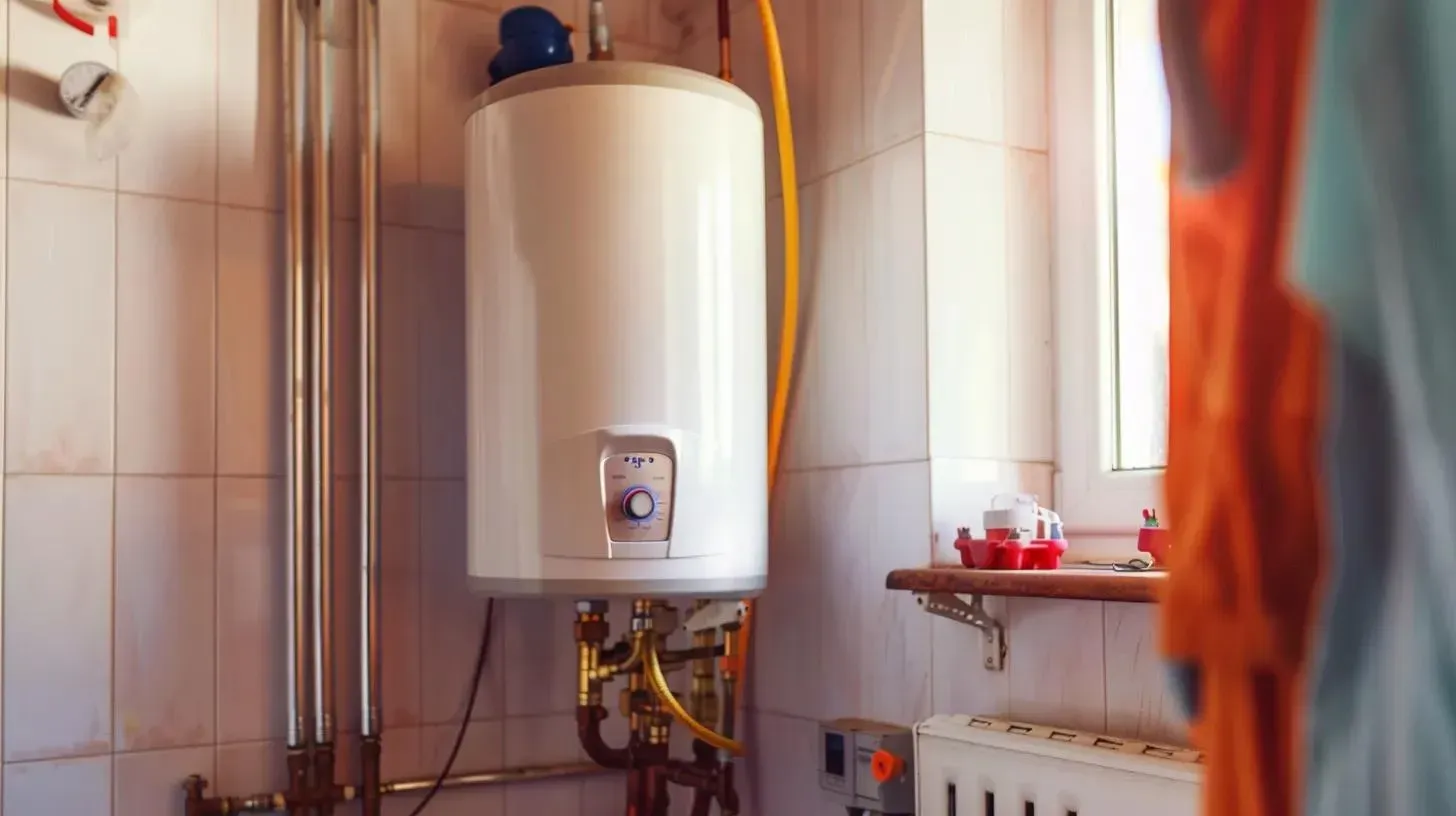
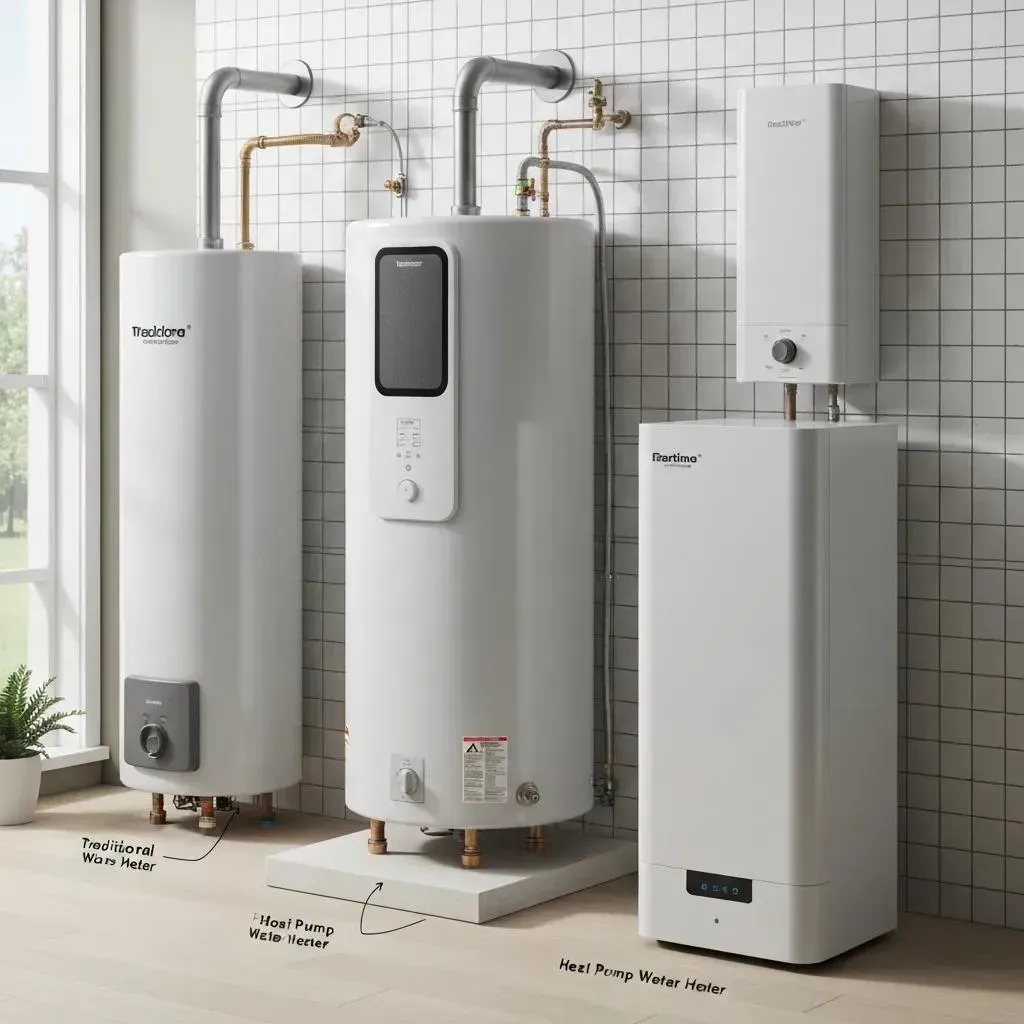
Water heater connections in bathrooms require careful handling. Whether electric or gas, improper water heater work creates safety hazards and voids warranties. Denver building codes require permits for water heater installation and some repairs, with inspections ensuring work meets safety standards. Professional plumbers navigate these requirements while ensuring your hot water system operates safely and efficiently.

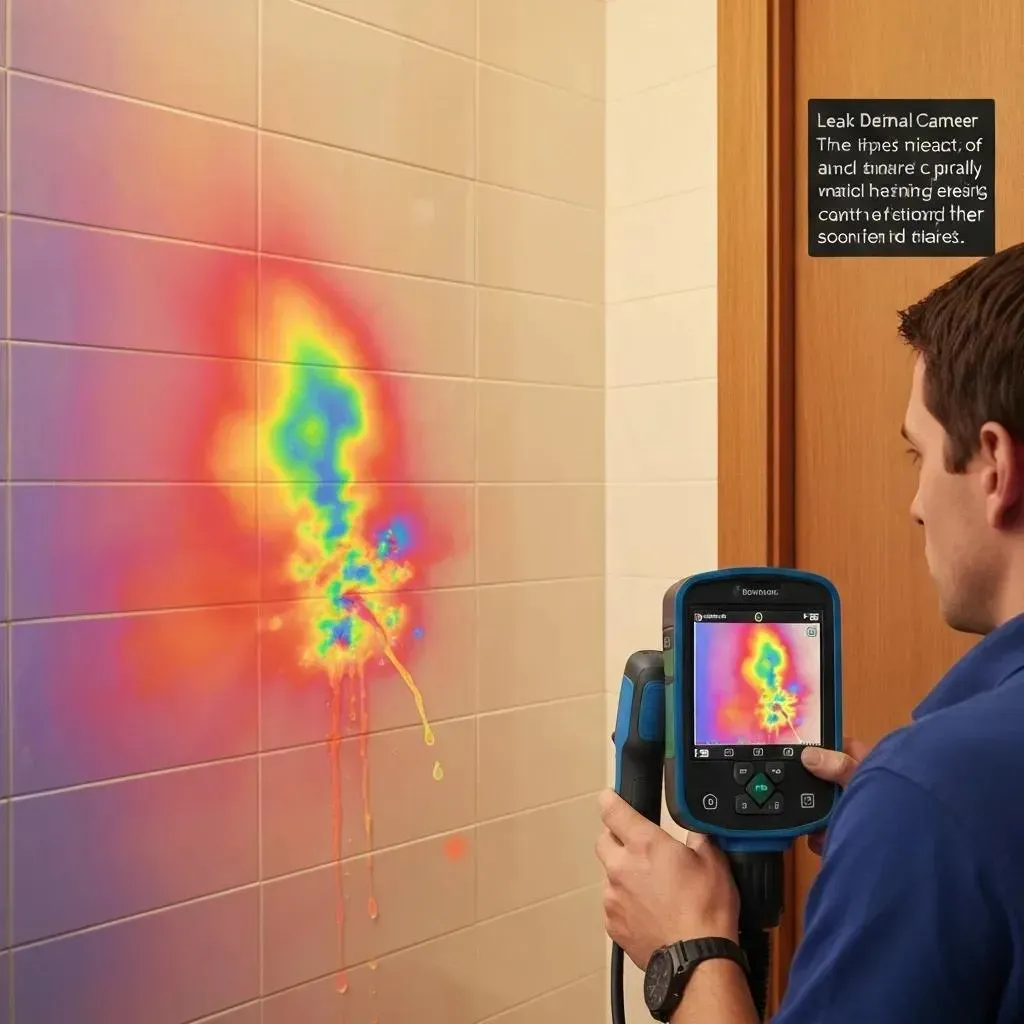
Recurring problems despite DIY repairs indicate underlying issues requiring professional diagnosis. A toilet that clogs repeatedly, drains that slow again quickly after cleaning, or fixtures that continue leaking after repair often have root causes that basic repairs miss. Professional plumbers use camera inspections, pressure testing, and experience to identify and resolve these persistent problems.
Emergencies demand immediate professional response. Burst pipes, sewage backups, and major leaks require rapid intervention to minimize damage. Accountable Home Plumbing provides 24/7 emergency service throughout the Denver metro area, ensuring help arrives quickly when bathroom plumbing disasters strike. Our technicians arrive equipped to handle virtually any emergency, restoring your bathroom to normal operation as quickly as possible.
Protect Your Denver Home's Bathroom Plumbing
Bathroom plumbing maintenance prevents most emergencies while extending fixture life significantly. Simple habits like avoiding chemical drain cleaners, testing shutoff valves annually, and addressing small problems before they grow protect your investment and reduce long-term repair costs. Denver's hard water makes maintenance even more important, with mineral buildup accelerating wear throughout your bathroom plumbing system.
When bathroom plumbing problems exceed your comfort level or available time, professional help remains a phone call away. Accountable Home Plumbing serves Denver, Thornton, Arvada, and surrounding communities with honest assessments, upfront pricing, and quality repairs that last. Our licensed technicians diagnose problems accurately, explain options clearly, and complete repairs efficiently, minimizing disruption to your daily routine.
Whether you need help with a running toilet, slow shower drain, or complete bathroom renovation plumbing, our team delivers the expertise and customer service Denver homeowners deserve. Contact Accountable Home Plumbing today at (720) 620-3272 to schedule your bathroom plumbing service and experience the difference professional care makes.