Denver Drain Drama Solved – How to Find the Best Clogged Drain Repair
When Denver Drains Fight Back: Why Professional Help Matters
Clogged drain repair Denver services are essential when your sinks drain slowly, toilets gurgle, or sewage odors fill your home. Here's what Denver homeowners need to know:
Quick Solutions for Clogged Drains:
- Minor clogs: Professional drain snaking ($93-150 average)
- Severe blockages: Hydro-jetting with high-pressure water
- Main line issues: Video camera inspection + trenchless repair
- Emergency situations: 24/7 service available from licensed plumbers
- Prevention: Avoid chemical cleaners, use drain guards, proper waste disposal
Have you ever walked through your door after a long day, ready to relax, only to find your shower and sink drains backing up, your toilet gurgling ominously, and the smell of sewage wafting through your house? Not the welcome home you were hoping for, right?
This frustrating scenario plays out in Denver homes daily. Clogged drains are among the most common plumbing issues homeowners face, and they rarely happen at convenient times. What starts as slow drainage can quickly escalate into sewage backups, property damage, and expensive emergency repairs.
Denver's unique challenges make drain problems even trickier. Many homes built before the 1980s have clay tile sewers that crack over time, allowing tree roots to infiltrate and cause major blockages. The area's hard water also contributes to mineral buildup that narrows pipes gradually.
While chemical drain cleaners and plungers might seem like quick fixes, they often make problems worse or provide only temporary relief. Professional diagnosis and repair save time, money, and prevent the headaches that come with recurring clogs.
I'm Mike Martinez, owner of Accountable Home Plumbing and a Denver native with years of experience helping homeowners solve their toughest clogged drain repair Denver challenges. I've seen how the right professional approach can turn a plumbing nightmare into a quick, stress-free solution that keeps your home running smoothly for years to come.
Spotting the Problem: Telltale Signs of a Clogged Drain
Picture this: you're brushing your teeth, and you notice the sink water isn't disappearing as quickly as usual. Just a minor annoyance, right? Maybe. But that slow drain could be your plumbing system's way of asking for help before things get messy.
Recognizing the warning signs early can save you from dealing with sewage backups in your living room at 2 AM. Trust me, I've gotten those emergency calls, and they're never fun for anyone involved.
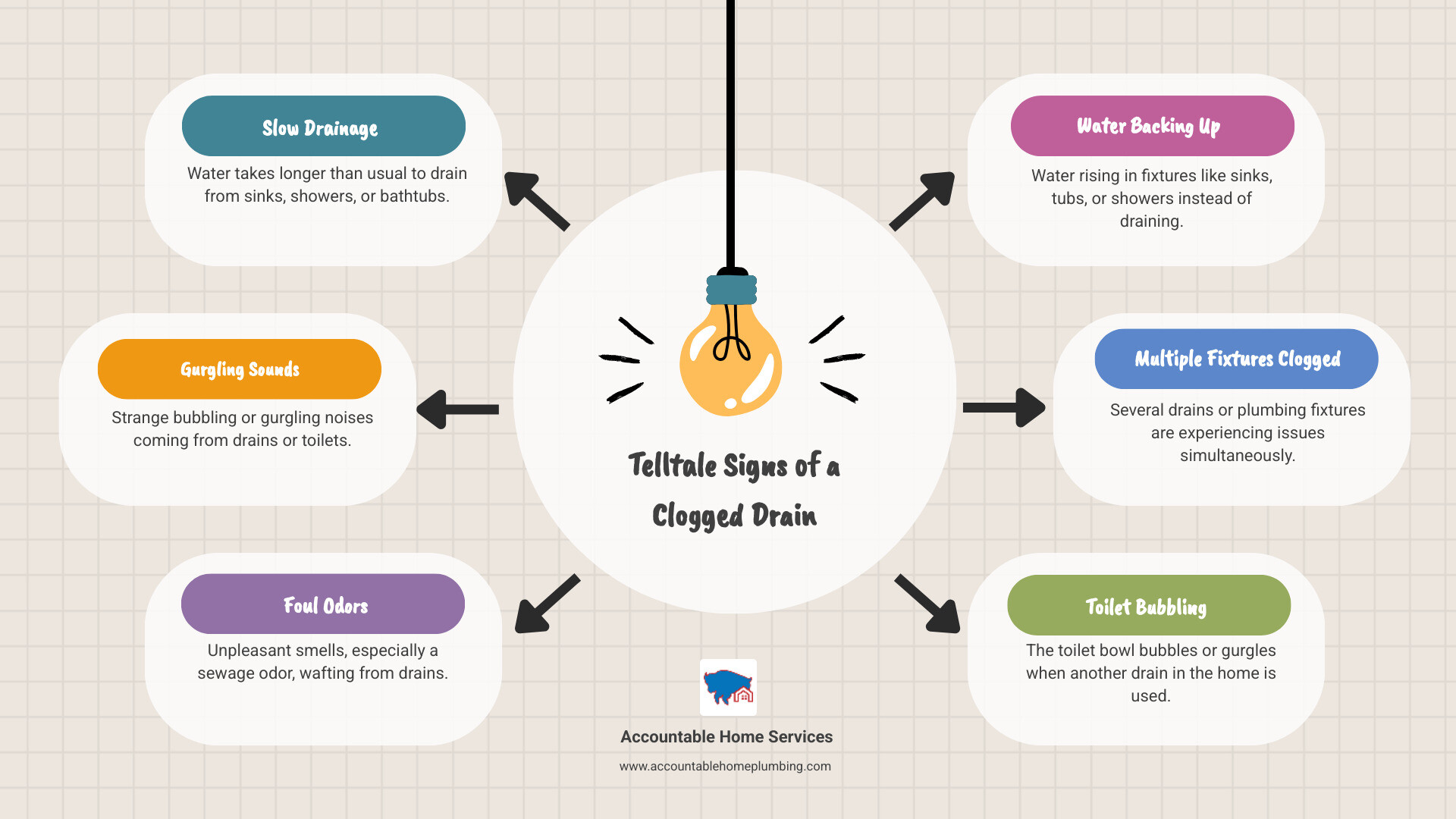
Slow draining water is usually the first red flag. When your sinks, showers, or bathtubs take their sweet time emptying, something's definitely blocking the flow. This might start as a barely noticeable delay, but it gets progressively worse as debris accumulates.
Those strange gurgling sounds coming from your drains? That's trapped air trying to escape around a blockage. Think of it like your pipes trying to clear their throat. When you hear that distinctive bubbling noise after running water or flushing, your plumbing is literally calling for attention.
Foul odors are another dead giveaway. That unpleasant sewage smell wafting up from your drains comes from organic matter - food scraps, grease, hair, soap scum - decomposing in your pipes. The gases produced by this decay find their way back into your home, creating an atmosphere nobody wants to live with.
When water backs up into other fixtures, you're dealing with a more serious situation. If running your dishwasher causes your kitchen sink to overflow, or flushing the toilet makes water appear in your shower, you likely have a blockage in a shared drain line.
Multiple fixtures clogged simultaneously is your plumbing system's way of waving a red flag. When your kitchen sink, bathroom shower, and laundry drain all slow down at once, the problem isn't in individual fixtures - it's deeper in your system's main lines.
Toilet bubbling when you use other fixtures is particularly concerning. This classic symptom indicates a partial blockage in your main sewer line, and it requires immediate professional attention.
For those dealing with persistent slow drainage, our guide on the Best Slow Drain Solution offers valuable insights. And if you're facing toilet issues specifically, check out our Toilet Choke Solution resource.
When a Simple Clog Becomes a Major Headache
What starts as an innocent slow drain can quickly spiral into a homeowner's worst nightmare. I've seen too many situations where ignoring early warning signs led to major main sewer line blockages.
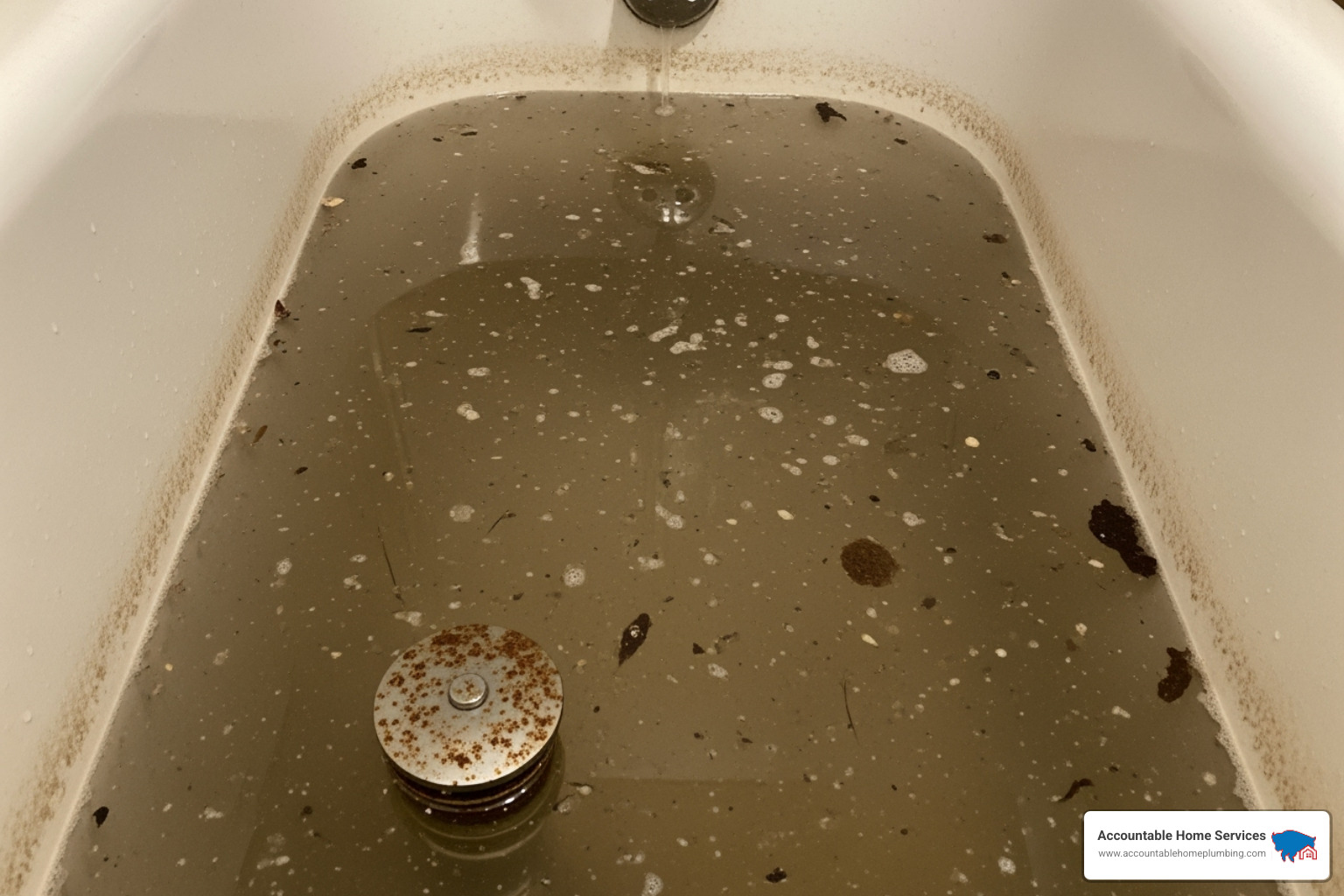
A main sewer line clog is every homeowner's plumbing nightmare. This is where the blockage occurs in the primary pipe carrying all wastewater from your home to the city system. When this line gets completely blocked, that wastewater has nowhere to go except back into your house.
The flooding risk is enormous. Sewage typically backs up through the lowest drains - basement floors, shower stalls, or toilets. This creates immediate health hazards from exposure to raw sewage and bacteria, plus extensive property damage to flooring, walls, and personal belongings.
Recognizing emergencies early can prevent thousands of dollars in damage and protect your family's health. If you see sewage backing up anywhere in your home, that's a 911-level plumbing emergency requiring immediate professional intervention.
Denver-Specific Issues: Older Homes and Tree Roots
Denver's charming older neighborhoods come with unique plumbing personality quirks. Many homes built before 1980 feature clay tile sewers that, while durable, develop vulnerabilities over time.
These pre-1980s homes often experience ground shifting and settling that creates small cracks in clay pipes. These tiny openings become invitations for tree root infiltration. Tree roots naturally seek out water and nutrients, and they're remarkably persistent at finding their way into sewer lines.
Once roots establish themselves inside pipes, they create dense masses that trap debris and completely block water flow. Worse yet, growing roots can cause significant pipe damage, including major cracks and complete pipe collapse. I've pulled root masses from pipes that looked like underground Christmas trees - impressive in a horrifying way.
Denver's hard water adds another layer of complexity with mineral buildup. Our high mineral content gradually deposits calcium and magnesium scale on pipe walls, narrowing the diameter and creating rough surfaces where grease and debris easily stick.
Seasonal changes in our area cause ground movement that puts additional stress on aging pipes. The freeze-thaw cycle can shift pipes and worsen existing cracks, making clogged drain repair Denver services particularly important for older homes during spring and fall transitions.
The Culprits Behind the Clog: Common Causes and Prevention
Ever wonder what's actually lurking in your pipes, plotting to ruin your weekend plans? After years of clogged drain repair Denver calls, I've seen it all – and trust me, some findies are more surprising (and gross) than others.
The truth is, most clogs don't happen overnight. They're the result of everyday habits that seem harmless but gradually build up into pipe-blocking nightmares. Understanding these common culprits is your first line of defense against emergency plumber visits.
Grease, fats, and oils top my list of drain destroyers. That bacon grease you poured down the sink while it was still warm? It hardens as it cools, coating your pipes like concrete. Over time, this sticky buildup acts like a magnet for everything else that goes down your drain.
Hair buildup dominates bathroom drains, especially in households with long-haired family members. Mix hair with soap scum – that filmy residue from bar soap – and you've got a recipe for a rock-solid clog that laughs at your plunger attempts.
Kitchen drains face their own battles with food scraps. Coffee grounds, potato peels, and fibrous vegetables can overwhelm even the best garbage disposal. And here's a frustrating reality: those "flushable" wipes aren't actually flushable. They don't break down like toilet paper and cause some of the worst main line clogs I've encountered.
Foreign objects create instant blockages – children's toys, cotton swabs, dental floss, and feminine hygiene products that accidentally (or sometimes intentionally) take a trip down the wrong drain. Paper towels fall into this category too, designed to absorb and stay strong, not dissolve.
Finally, Denver's hard water contributes mineral deposits that gradually narrow your pipes. These rough, chalky buildups create perfect surfaces for other debris to stick to, making future clogs more likely.
Proactive Drain Maintenance to Keep Pipes Clear
Here's the good news: preventing most clogs is surprisingly simple. A few smart habits can save you from the headache and expense of emergency drain repairs.
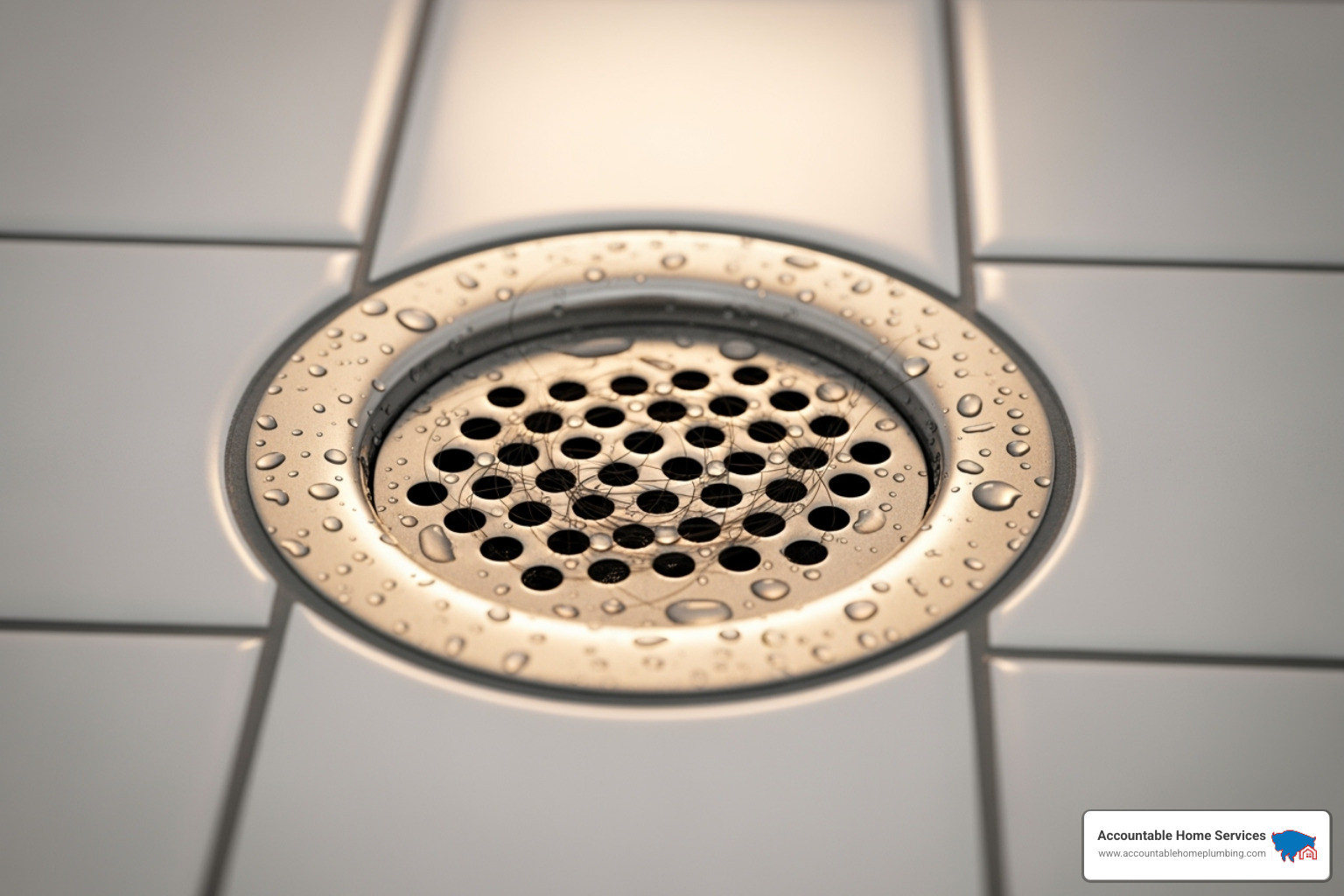
Drain guards are your cheapest insurance policy. These simple screens catch hair and soap scum before they enter your shower drains, while kitchen basket strainers stop food particles in their tracks. I tell my customers they're the best $5 investment they'll ever make.
Proper disposal habits make all the difference. Never pour grease down your kitchen drain – collect it in an old coffee can, let it solidify, and toss it in the trash. Scrape food scraps into the garbage before washing dishes, even if you have a disposal.
Your toilet isn't a trash can. Only human waste and toilet paper should go down there. Those "flushable" wipes, cotton balls, dental floss, and paper towels? They belong in your actual trash can, not your plumbing system.
Avoid chemical cleaners at all costs. They rarely work on tough clogs and can seriously damage your pipes. Instead, flush kitchen drains regularly with hot water to melt minor grease buildup. For a gentle, eco-friendly option, try baking soda and vinegar followed by hot water – though this only works on very minor issues.
Regular maintenance beats emergency repairs every time. Our Drain Cleaning page offers detailed tips for keeping your drains flowing smoothly year-round. A little prevention now saves you from calling for emergency clogged drain repair Denver services later.
Why Expert Clogged Drain Repair in Denver is a Smarter Choice
When you're standing in ankle-deep water in your shower or watching your kitchen sink refuse to drain, the urge to grab whatever's handy is totally understandable. Who hasn't reached for a plunger or eyed that bottle of drain cleaner under the sink? But here's the thing we've learned after years of clogged drain repair Denver calls: those quick fixes often turn small problems into expensive nightmares.
Let's talk about why DIY methods, while tempting, usually miss the mark. That trusty plunger works great for simple toilet clogs, but when you're dealing with a deep blockage, all that aggressive plunging might just push the problem further down your pipes. Now instead of a clog near the surface, you've got one buried deep where it's much harder to reach.
Those small drain snakes from the hardware store? They're fine for pulling out hair clogs right at the drain opening, but they're like bringing a butter knife to cut down a tree. They don't have the length or power to reach serious blockages, and we've seen plenty of them get stuck or kinked inside pipes. Even worse, they can scratch the inside of your pipes, especially if you have PVC plumbing.
The real danger comes when DIY attempts make clogs worse. Without knowing exactly what you're dealing with or how your plumbing system works, you might compact a loose clog into a solid mass or turn a partial blockage into a complete one. We've gotten emergency calls where homeowners tried everything they could think of, only to create a much bigger problem than they started with.
The Dangers of Chemical Drain Cleaners
Now, let's have a serious conversation about those chemical drain cleaners. We can't stress this enough: avoid them completely. These products contain incredibly harsh chemicals like sulfuric acid or lye that are basically eating away at whatever's in their path including your pipes.
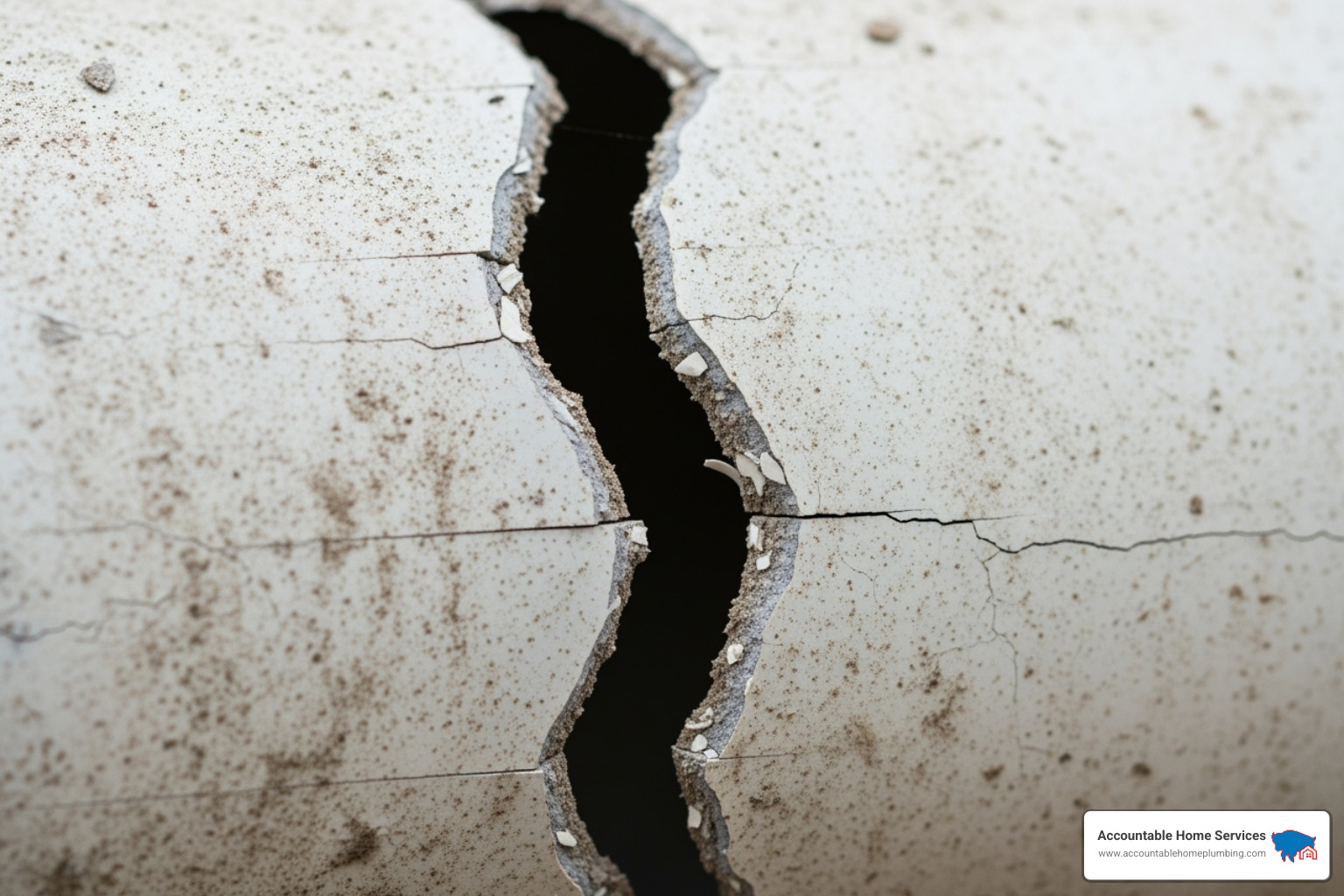
Yes, they might dissolve some organic matter, but they're also corroding your pipes from the inside out. This is especially dangerous for older metal pipes or PVC systems. We've seen pipes that looked fine on the outside but were paper-thin inside because of repeated chemical treatments. When these pipes finally fail, you're looking at major repairs and potential water damage.
The toxic fumes these chemicals release are dangerous for your family and pets. They can cause respiratory problems, skin burns, and eye injuries. If you have a septic system, these chemicals are particularly harmful. According to the Environmental Protection Agency (EPA), chemical drain openers can kill the beneficial bacteria that break down waste, potentially leading to system failure that costs thousands to fix.
Here's the frustrating part: chemical cleaners often don't even work on tough clogs. They might burn a small hole through part of the blockage, giving you temporary relief, but the bulk of the clog remains. Tree roots, foreign objects, and solid grease buildup just laugh at these chemicals. You end up with a recurring problem and damaged pipes the worst of both worlds.
For proven solutions that actually work, check out our comprehensive guide on Clogged Drain Solutions.
The Benefits of Professional Service
When you call us for your clogged drain repair Denver needs, you're getting something DIY methods can't provide: expert diagnosis. We don't play guessing games with your plumbing. Our technicians use advanced tools to pinpoint exactly where the clog is and what's causing it, whether it's a hair mass, grease buildup, tree roots, or something your toddler decided to flush.
We bring the proper tools for every situation. Our professional-grade drain snakes have specialized cutting heads that can slice through roots and break up solid blockages. For the really stubborn clogs, we use high-pressure hydro-jetting equipment that can blast away years of buildup. These aren't tools you can pick up at the hardware store, and they require training to use safely.
Here's something you won't get with DIY: guaranteed work. We stand behind every job we do because we're confident in our methods and equipment. When we clear a clog, it stays cleared. Some of our mainline clearing services even come with a one-year no-backup guarantee that's how sure we are that we've solved the problem completely.
Safety is another huge advantage. Our technicians are trained professionals who know how to protect your home and family. No toxic chemicals, no risk of pipe damage from improper tool use, and no guesswork that could turn a simple clog into a plumbing emergency.
Most importantly, we focus on long-term solutions, not quick fixes. We don't just clear the immediate blockage we identify what caused it and give you practical advice to prevent future problems. Sometimes that means recommending drain guards, sometimes it's about changing disposal habits, and sometimes it means addressing underlying issues like tree root infiltration.
The peace of mind that comes with professional service is priceless. Instead of spending your weekend wrestling with a stubborn drain and worrying about making things worse, you can relax knowing the job is handled correctly. Your plumbing system is in expert hands, and you can focus on the things that matter most to you.
Ready to experience the difference professional service makes? Visit our Clogged Drain Cleaning Service page to learn more about our approach and schedule your appointment.
Decoding Professional Drain Services: From Diagnosis to Repair
When you call us for clogged drain repair Denver, we don't just show up with a plunger and hope for the best. Our process is methodical, transparent, and designed to solve your problem completely the first time. Think of us as drain detectives – we investigate first, then act with precision.
Too many homeowners have been burned by plumbers who guess at the problem, charge for multiple visits, or provide temporary fixes that fail within weeks. We take a different approach that combines professional assessment with advanced technology to deliver solutions that last. For comprehensive information about our full range of services, visit our General Plumbing Services page.
Step 1: Advanced Diagnosis with Video Camera Inspection
Before we touch a single tool, we need to see what's really happening inside your pipes. That's where our sewer camera inspection becomes your best friend.
We insert a high-resolution, waterproof camera attached to a flexible cable directly into your drain or sewer line. This isn't some grainy, old-school camera – we're talking crystal-clear video footage transmitted live to a monitor so both you and our technician can see exactly what's going on down there.
This technology eliminates the guesswork completely. Instead of pinpointing the exact problem through trial and error (which wastes your time and money), we can immediately identify whether you're dealing with a grease buildup, hair clog, tree roots, or that mysterious toy your toddler "flushed" last month.
The camera inspection also reveals the overall condition of your plumbing system. We're assessing pipe condition as we go, looking for signs of wear, corrosion, cracks, or pipe misalignments that could cause future problems. This is especially valuable for Denver homeowners with older properties where pipes may have decades of wear.
For homes in established Denver neighborhoods with mature trees, the camera excels at locating tree roots that have found their way into your sewer lines. We can see exactly where they've infiltrated, how extensive the invasion is, and whether they've caused structural damage to the pipes.
Most importantly, if we find any breaks or collapses in your pipe system, the camera reveals the full extent of the damage. This allows us to recommend the most appropriate repair strategy – whether that's a simple cleaning or a more comprehensive repair solution.
Step 2: Effective Cleaning and Repair Methods
Once we know exactly what we're dealing with, we select the right tool for your specific situation. We don't believe in one-size-fits-all solutions because every clog is different.
Drain snaking is our go-to method for most standard clogs. We use professional-grade augers that are much more powerful and versatile than anything you can buy at the hardware store. These specialized tools have different cutting heads designed for specific types of blockages – some slice through tree roots, others grab and pull out hair clogs, and still others break apart grease buildup.
Our drain snakes can reach much further into your system than DIY versions, and our technicians know exactly how to maneuver them without damaging your pipes. We're clearing blockages efficiently while protecting your plumbing investment.
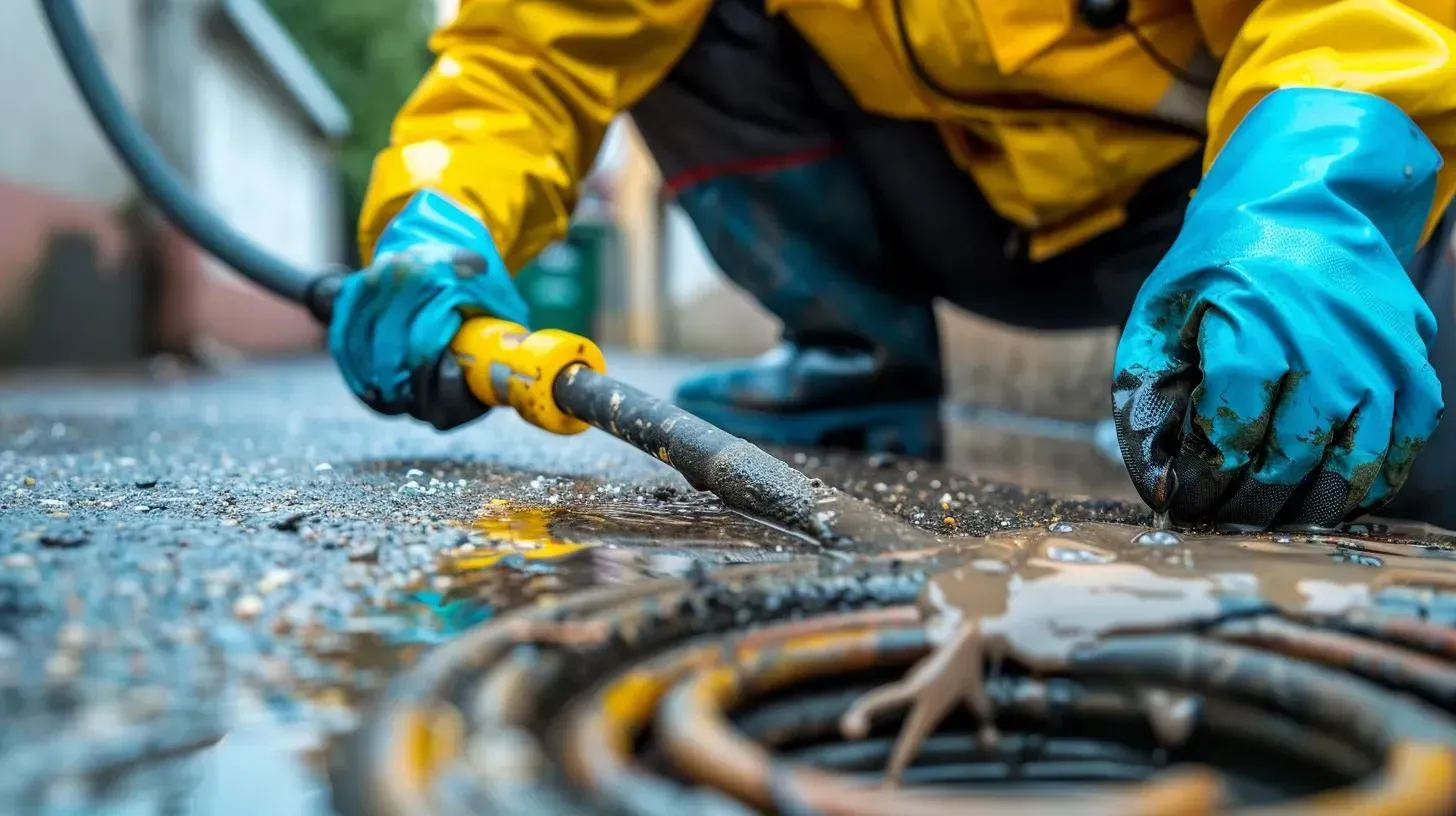
For more stubborn situations, we bring out the big guns: hydro-jetting. This technique uses high-pressure water – we're talking 3,000 to 4,000 PSI – to blast away even the most stubborn clogs. The pressurized water doesn't just punch a hole through the blockage like chemical cleaners might; it completely scours the pipe walls clean, removing sludge and scale that has built up over years.
When hydro-jetting is used depends on your specific situation. We typically recommend it for severe grease buildup, extensive tree root infiltration, or when we need to restore pipes to like-new condition. It's also our preferred method for main sewer line clogs where we need to ensure complete clearing to prevent future backups.
For pipes that have structural damage beyond what cleaning can fix, we offer trenchless sewer repair options. This modern approach allows us to repair or replace damaged pipes without destroying your landscaping or driveway – a huge advantage for Denver homeowners who've invested in beautiful yards.
The beauty of our systematic approach is that we match the solution to your specific problem, ensuring you get exactly what you need without paying for services you don't.