Yearly Plumbing Maintenance Made Easy (No Plumber Required!)
Why Annual Plumbing Maintenance Matters for Your Home
Annual plumbing maintenance is essential for preventing costly emergencies and extending the life of your home's plumbing system. Here's what you need to know:
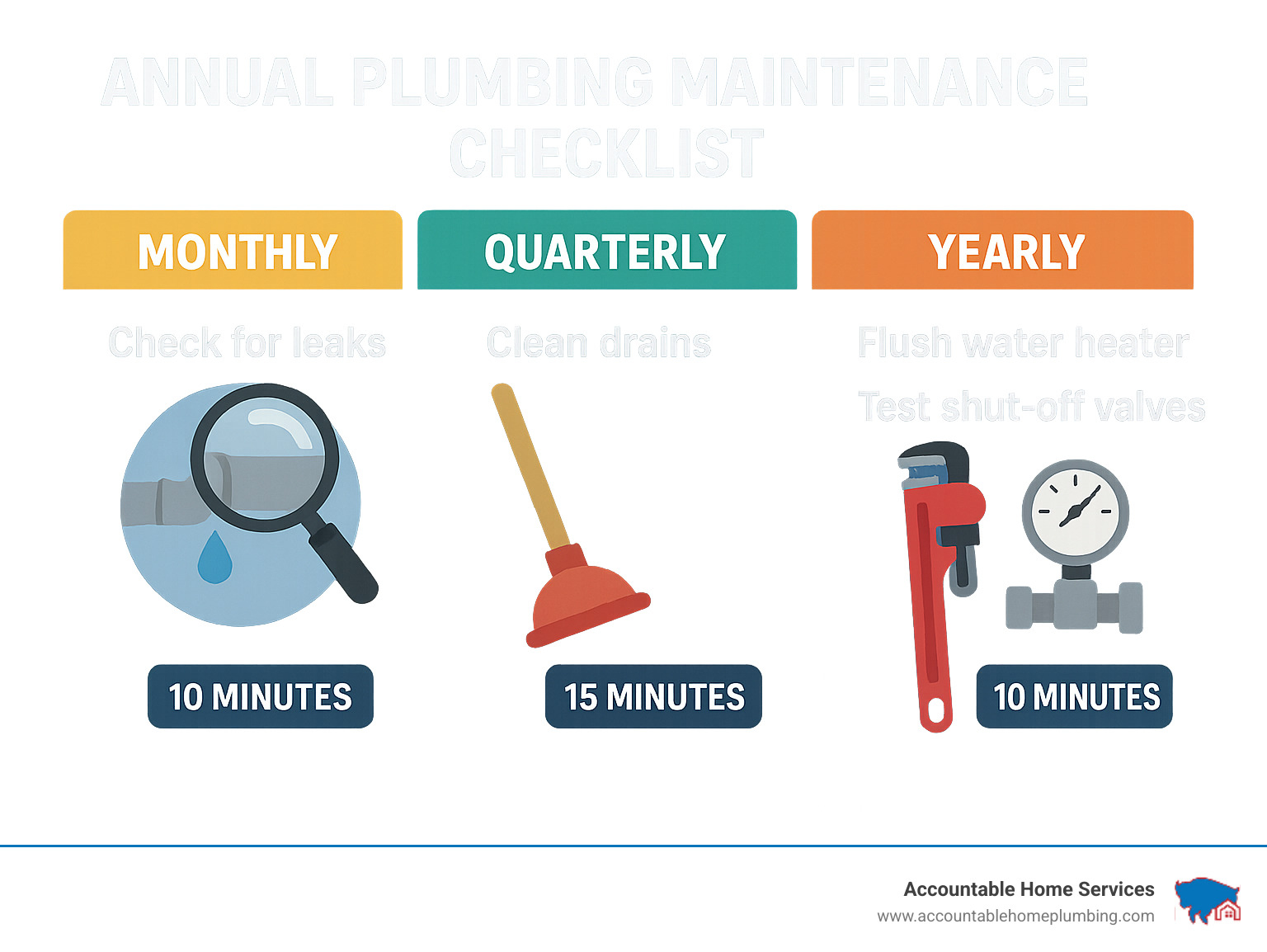
- Check for leaks monthly: Inspect under sinks, around toilets, and near appliances
- Flush water heater annually: Removes sediment that reduces efficiency
- Test water pressure: Should be between 40-60 PSI
- Clean drains quarterly: Use vinegar and baking soda, not harsh chemicals
- Inspect visible pipes: Look for corrosion, moisture, or discoloration
- Test shut-off valves yearly: Ensure they work properly in emergencies
Did you know your home's plumbing system makes up about 15% of your total home value? That's quite an investment! Yet most homeowners don't think about their plumbing until something goes wrong. A small drip can waste up to 34 gallons per year, while nationwide, small leaks waste up to one trillion gallons annually.
Being proactive with annual plumbing maintenance is like getting regular oil changes for your car – it prevents bigger problems and saves money in the long run.
I'm Mike Martinez, owner of Accountable Home Plumbing and a Denver native with over 15 years of experience helping homeowners implement effective maintenance routines that prevent emergencies.
What Is Annual Plumbing Maintenance?
Annual plumbing maintenance refers to the regular inspection, cleaning, and upkeep of your home's plumbing system to ensure everything is functioning properly. It's a preventive approach that helps identify potential issues before they become major problems.
This maintenance isn't just about fixing what's broken—it's about preventing breaks in the first place. Think of it as a yearly check-up for your home's circulatory system. Just as you wouldn't wait until you're seriously ill to see a doctor, you shouldn't wait for a burst pipe or major leak to address your plumbing.
The good news? Many of these maintenance tasks can be performed by homeowners without professional help. With some basic tools and knowledge, you can keep your plumbing in top shape year-round.
Why Annual Plumbing Maintenance Matters
Your home's plumbing is like the circulatory system of your house – when it works well, you hardly notice it. But when something goes wrong? That's a different story entirely. Annual plumbing maintenance isn't just a good idea – it's essential for protecting your home, health, and wallet.
Preventing Water Damage
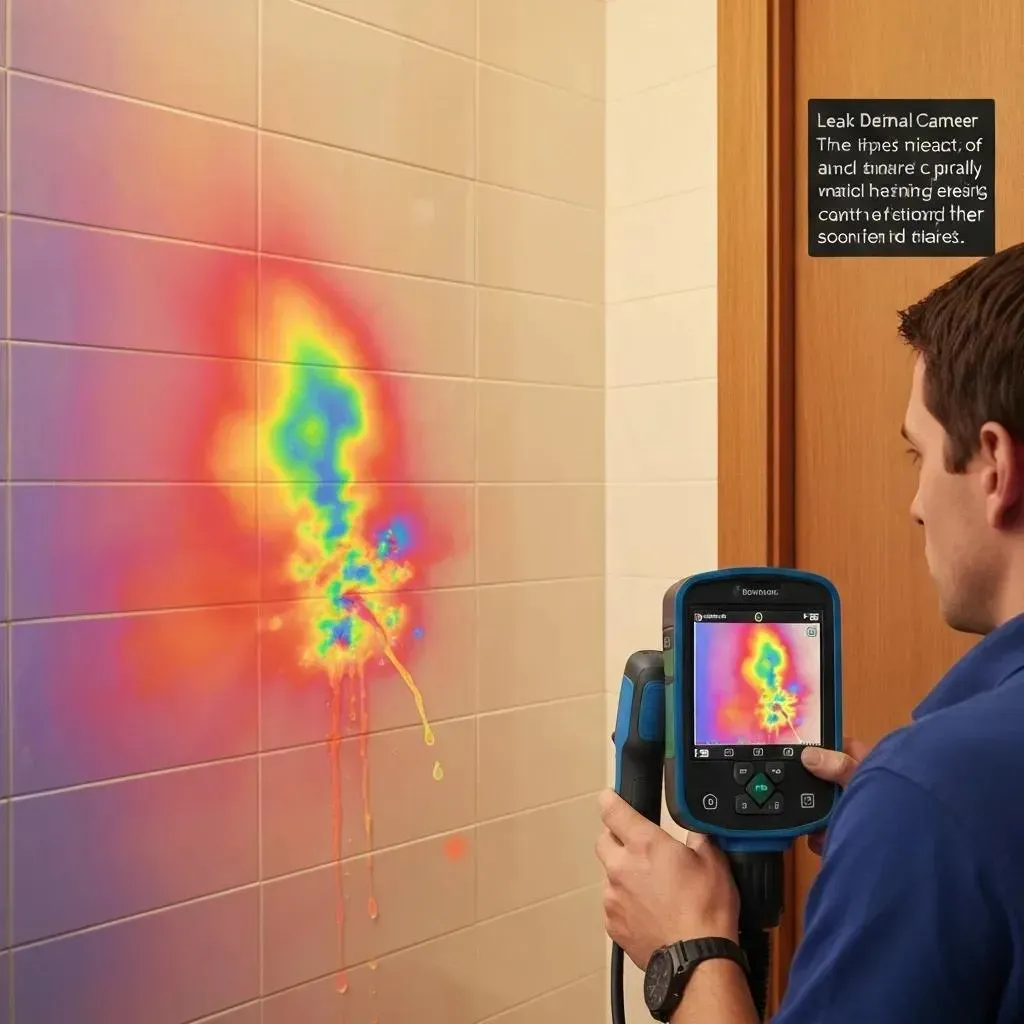
Water has an amazing ability to find its way into places it shouldn't be. A tiny, undetected leak behind a wall can silently cause havoc for months before you notice the first signs of trouble. By then, you might be facing structural damage, warped floorboards, ceiling stains, and mold.
Even what seems like an innocent drip can waste surprising amounts of water. The EPA tells us that a faucet dripping just once per second wastes more than 3,000 gallons annually – enough to fill 60 bathtubs!
Maintaining Optimal Water Pressure
Your home's plumbing system works best when water pressure stays between 40-60 PSI(pounds per square inch). When pressure climbs above 80 PSI, it puts excessive strain on pipes and fixtures, potentially causing leaks and premature failures. Checking your pressure annually with an inexpensive gauge from the hardware store can save you significant headaches.
Extending Fixture Lifespan
Everything in your home has a lifespan, but with proper care, you can significantly extend how long your plumbing fixtures serve you faithfully.
Your water heater could give you 8-12 years of hot showers with regular maintenance, but might fail years earlier without it. Those kitchen and bathroom faucets? They'll easily last 15-20 years when you keep their aerators clean.
How Annual Plumbing Maintenance Saves Money
Let's talk dollars and cents, because annual plumbing maintenance makes serious financial sense.
Finding a small leak before it becomes a burst pipe can save you thousands in emergency repairs and water damage restoration. Regular maintenance of your water heater postpones that $1,000+ replacement cost by years. And those small leaks you fix? They'll typically save you about 10% on your water bills according to industry data.
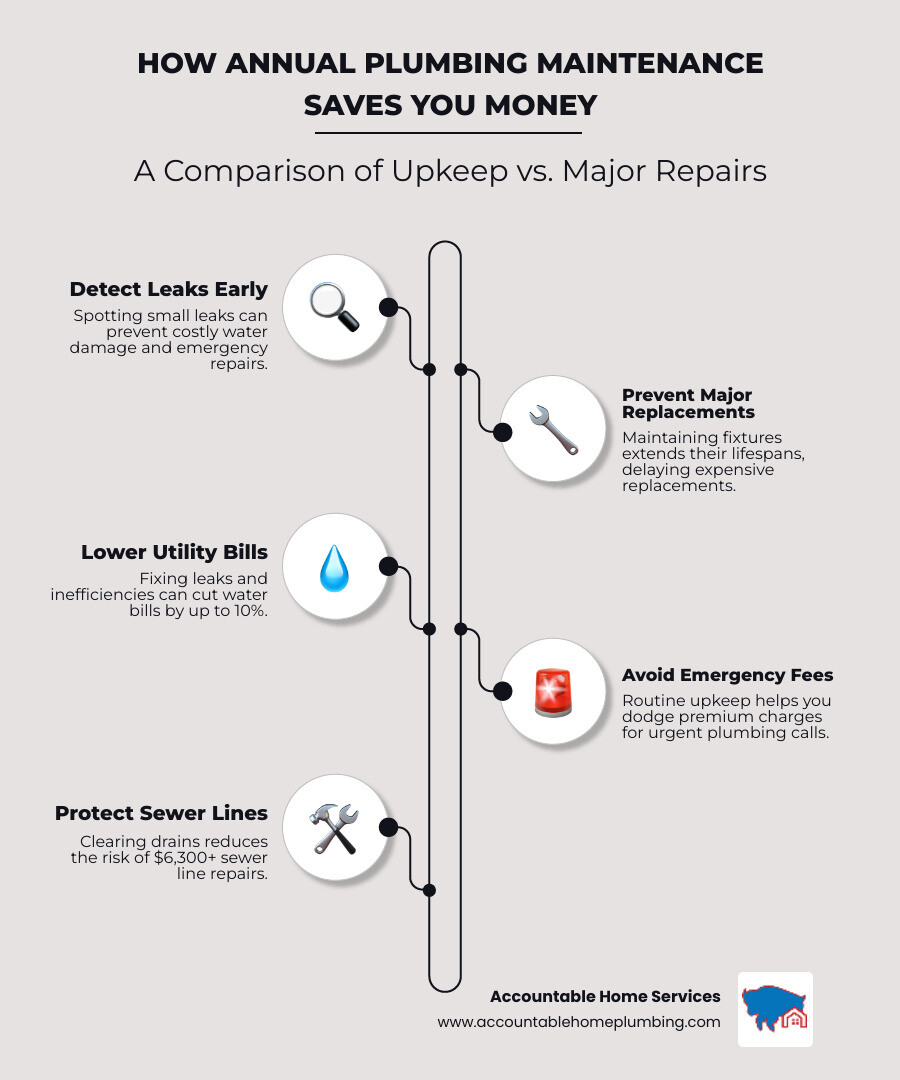
The average water damage repair costs around $2,700, but can easily skyrocket to $10,000+ in severe cases. Compare that to spending a few hours each year on simple maintenance tasks that cost next to nothing.
Health & Environmental Benefits
Beyond protecting your home and saving money, annual plumbing maintenance offers crucial health and environmental benefits.
Water Quality Protection
The water flowing from your taps should always be clean and safe. Regular maintenance helps ensure this by preventing backflow contamination, reducing mineral buildup that affects water taste, identifying potential lead exposure from older plumbing, and preventing bacteria growth in stagnant water areas.
Water Conservation
In Colorado, we understand the value of water perhaps better than most. According to the USGS drip data, even a slow drip wastes surprising amounts:
A faucet dripping at just one drop per minute wastes 34 gallons per year. A leaking toilet can silently waste up to 30 gallons daily – that's nearly 11,000 gallons annually! The EPA leak facts show that nationwide, household leaks waste nearly 1 trillion gallons annually.
DIY Yearly Plumbing Maintenance Checklist
Now that you understand why annual plumbing maintenance matters, let's get practical. Here's a comprehensive DIY checklist to keep your plumbing system in excellent condition throughout the year.
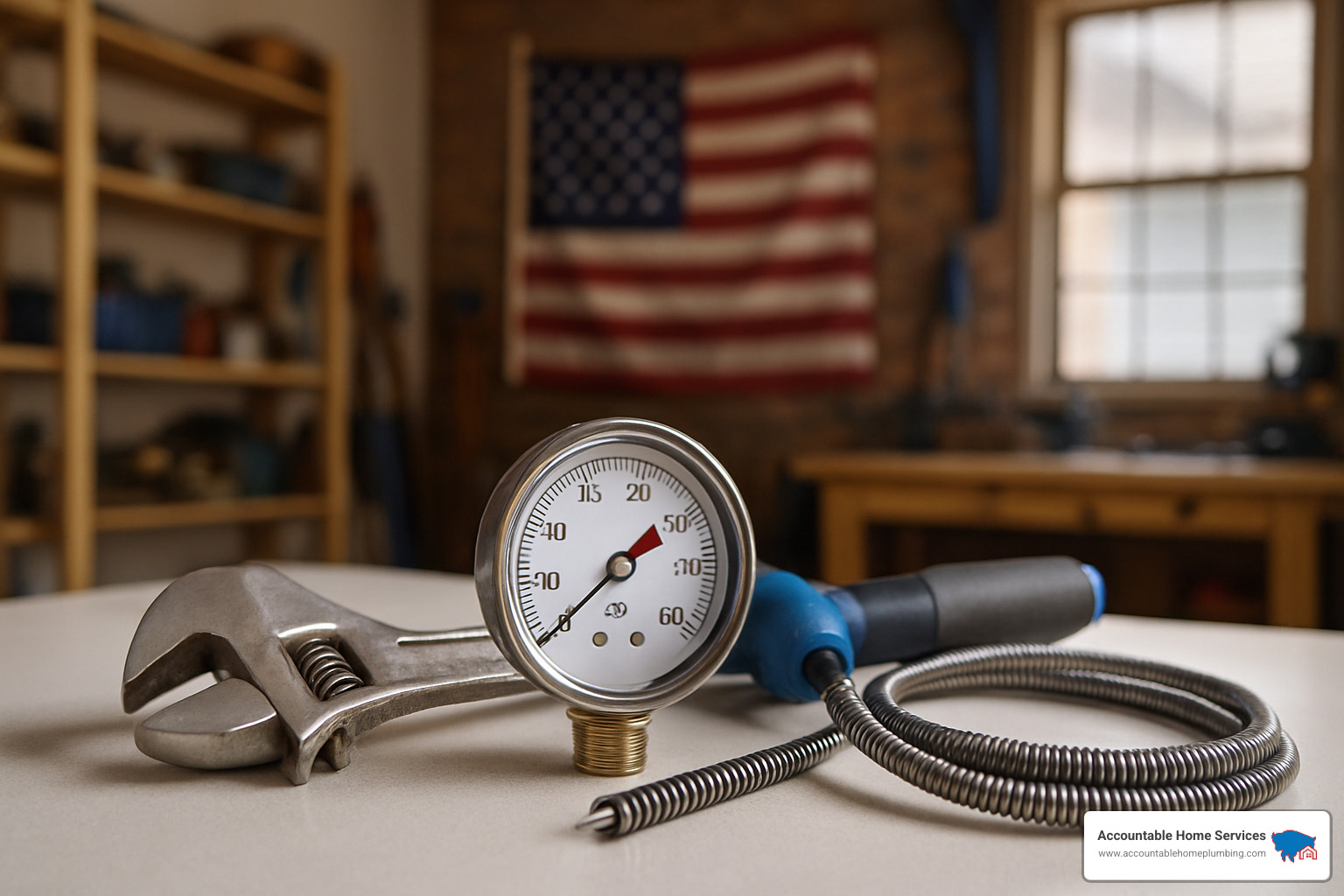
Think of your home's plumbing like your car – regular check-ups prevent breakdowns. With just a few hours spread throughout the year, you can prevent costly emergencies and keep everything flowing smoothly.
Monthly Tasks (15-30 minutes)
Take a flashlight and spend 15 minutes looking under sinks and around toilets for any signs of moisture or leaks. Keep an eye on your water bill too – unexpected increases often signal hidden problems. Listen for running toilets and pay attention to how quickly your sinks and tubs drain. Slow drains are early warning signs of buildup.
Quarterly Tasks (30-60 minutes)
Clean your drains naturally with baking soda and vinegar – it's gentler on pipes than harsh chemicals. Pour half a cup of baking soda followed by half a cup of vinegar, wait 15 minutes, then flush with hot water.
Clean faucet aerators by unscrewing, rinsing, and reinstalling. Check toilet flappers by adding food coloring to the tank. If color shows up in the bowl without flushing, you've got a leak that's silently wasting water.
Semi-Annual Tasks (1-2 hours)
Twice a year, inspect exposed pipes for corrosion, leaks, or condensation. Deep-clean showerheads by soaking them overnight in vinegar to dissolve mineral deposits. Visually inspect your water heater for rust, corrosion, or small leaks. Test all water shut-off valves to ensure they turn easily and completely stop water flow.
Annual Tasks (2-4 hours)
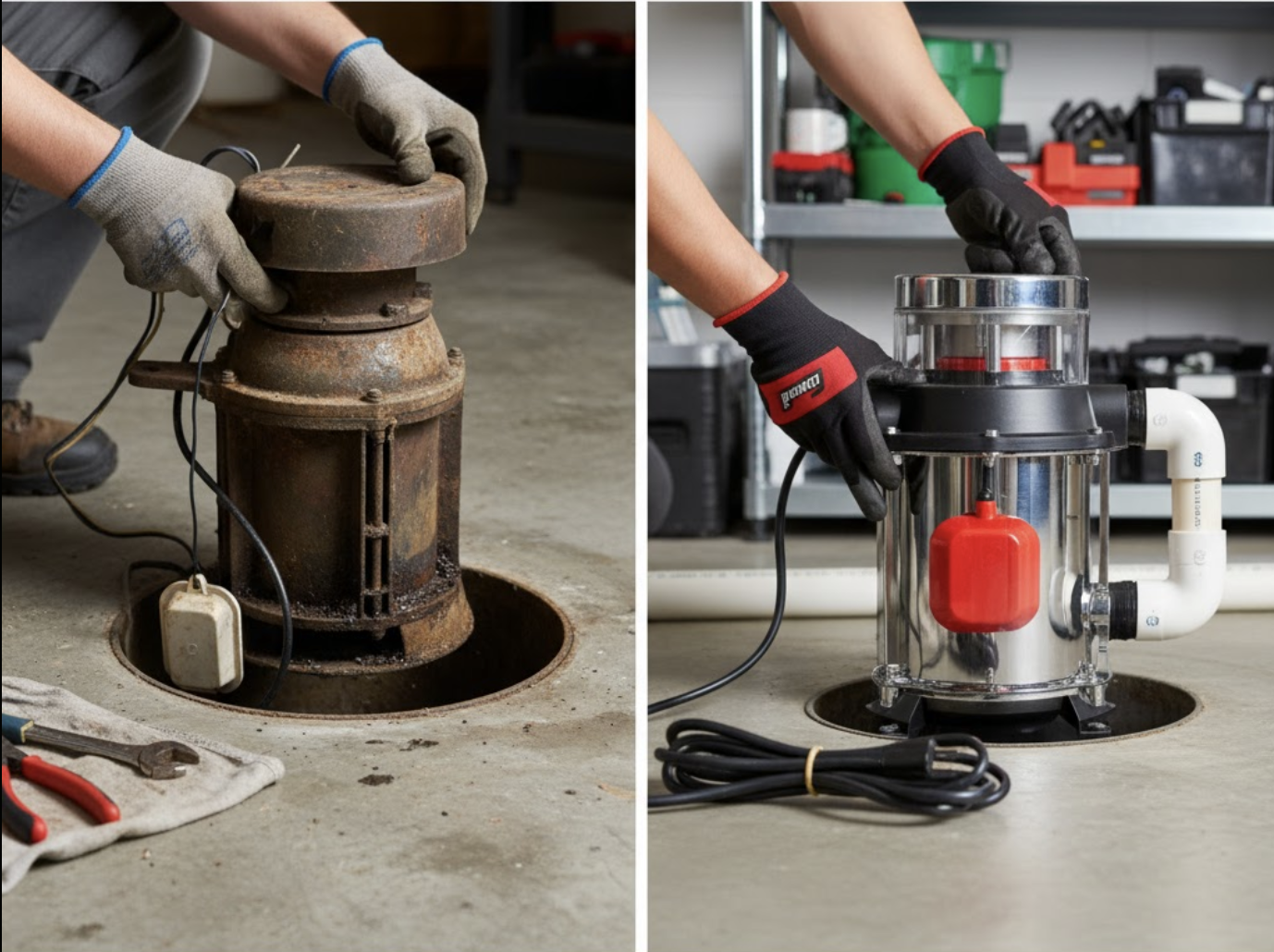
Flushing your water heater removes sediment that reduces efficiency and shortens its lifespan. Test your sump pump by pouring water into the pit. Inspect washing machine hoses for cracks or bulges, replacing any that look suspicious or are older than five years. Check toilet components and outdoor plumbing before winter arrives.
| Task | Frequency | Tools Needed | Time Required |
|---|---|---|---|
| Check for leaks | Monthly | Flashlight | 15 minutes |
| Clean drains | Quarterly | Baking soda, vinegar | 20 minutes |
| Test water pressure | Quarterly | Pressure gauge | 5 minutes |
| Clean aerators/showerheads | Semi-annually | Vinegar, toothbrush | 30 minutes |
| Flush water heater | Annually | Garden hose, bucket | 60 minutes |
| Test shut-off valves | Annually | None | 15 minutes |
| Inspect washing machine hoses | Annually | Flashlight | 10 minutes |
| Test sump pump | Annually | Bucket of water | 10 minutes |
Kitchen & Bathroom Maintenance
Your kitchen sink works hard every day. Keep your garbage disposal running smoothly by cleaning it regularly. Protect your sink drains with strainers to catch food particles, and never pour grease down the drain! The area under your sink needs attention too. Inspect supply lines and shut-off valves for leaks.
Your toilet is surprisingly complex. Test for leaks using food coloring in the tank, inspect and replace the flapper if worn, and check that the fill valve operates properly. Make sure your toilet is securely fastened to the floor – any rocking motion could indicate a failing wax ring.
Showers and tubs need love too. Remove and clean showerheads with vinegar to restore full pressure, check caulking around tubs and showers for gaps, and regularly clean drain covers to remove hair buildup.
Utility-Area Maintenance
Your water heater works tirelessly, and a little annual attention pays big dividends. Flushing the tank removes sediment that reduces efficiency and can cause premature failure. The pressure relief valve is a critical safety feature – test it by placing a bucket under the discharge pipe and lifting the test lever.
Your washing machine hoses are under constant pressure and deserve regular inspection. Look for bulges, cracks, or leaks that signal impending failure. Replace rubber hoses every 3-5 years, even if they look fine.
Your sump pump is your basement's first line of defense against flooding. Test it by pouring water into the pit to verify it activates and removes water properly. The main shut-off valve is your emergency control for the entire house. Make sure everyone in your family knows its location and how to use it.
For more detailed guidance, check out our Plumbing Maintenance Checklist and Routine Drain Maintenance guides.
Seasonal Plumbing Prep & Special Situations
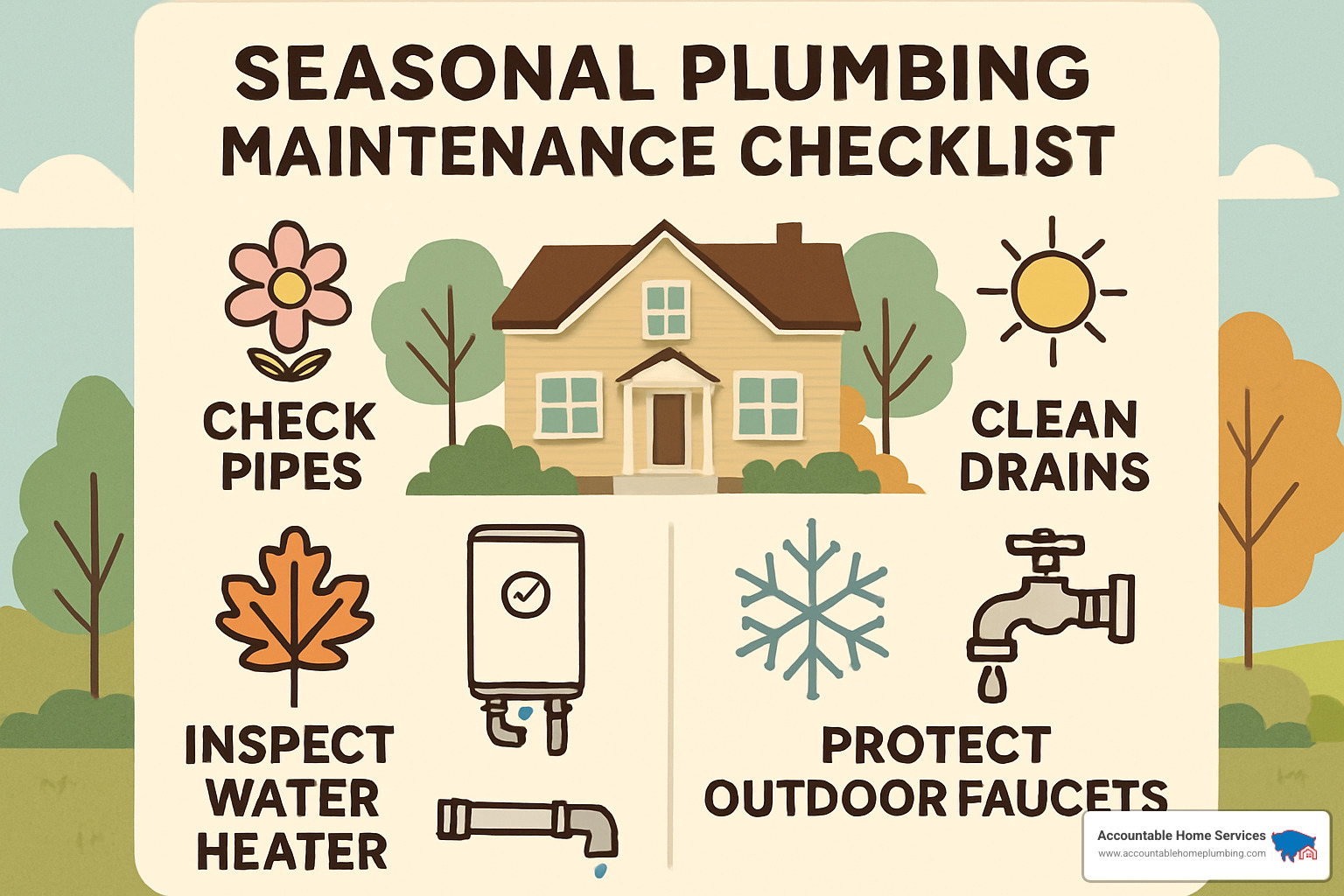
Different seasons bring different challenges to your home's plumbing system. Let's explore how to adapt your annual plumbing maintenance routine throughout the year:
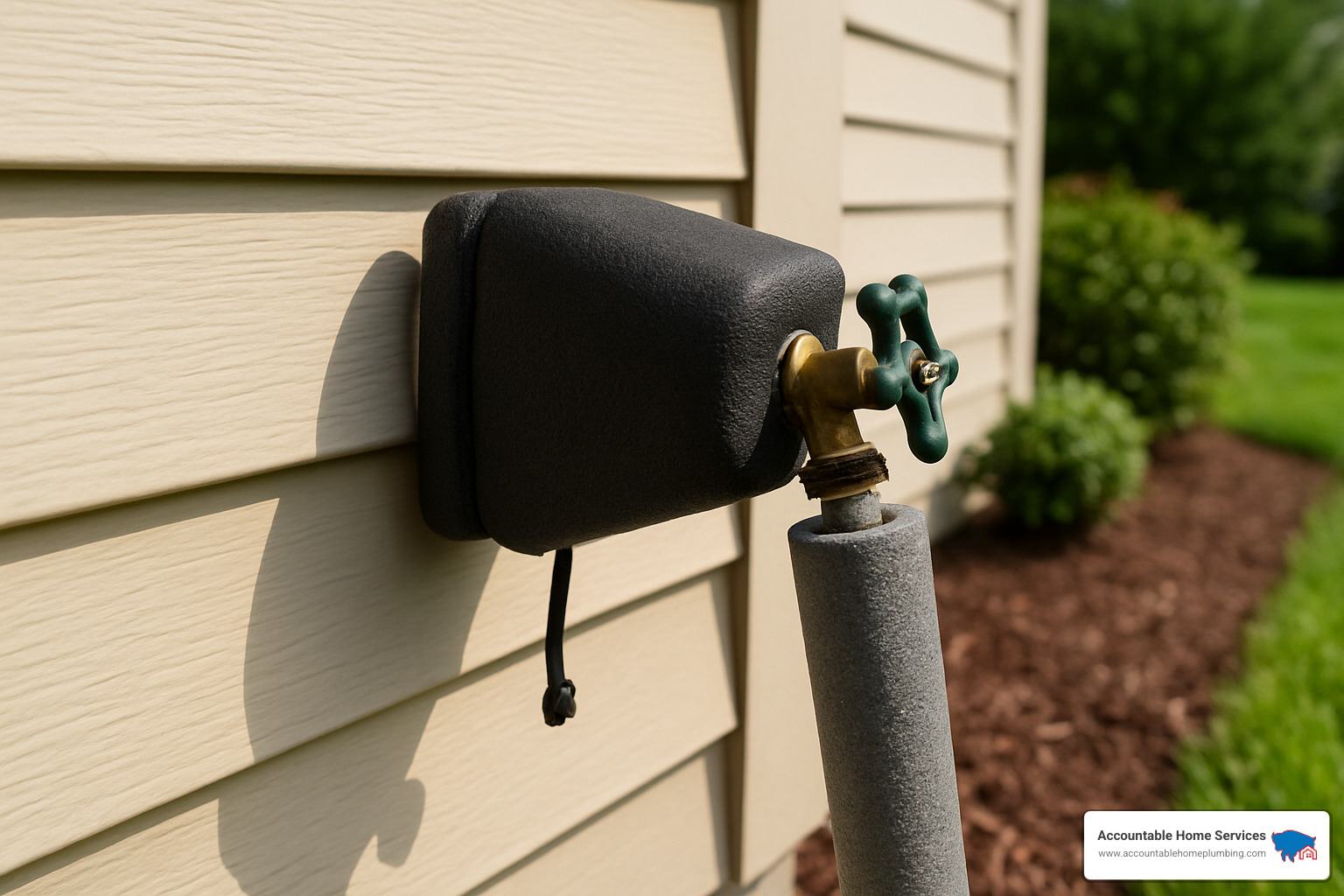
Spring Maintenance (March-May)
As the frost melts away, inspect outdoor faucets and pipes for any freeze damage. Look for leaks that may have developed during winter. A quick check of your basement or crawlspace for signs of water intrusion can save you from a nasty surprise later.
Prepare your irrigation systems by checking for leaks or damaged heads. Adjust timers for seasonal watering needs. Clear gutters and downspouts to ensure proper drainage.
Summer Maintenance (June-August)
Summer brings increased water usage, so keep an eye on those water bills. An unexpected spike might indicate a hidden leak. Adjust irrigation systems as needed to prevent waste.
If planning a vacation, consider turning the water off at the main or have a trusted neighbor check your home if you'll be away for more than a week. Many water heaters have a vacation mode – use it!
With family home more during summer break, clear slow drains before they become completely clogged, and check toilet flappers as increased use can accelerate wear.
Fall Maintenance (September-November)
Fall is all about preparing for winter's chill. Disconnect and drain garden hoses – water left inside can freeze and damage both the hose and your faucet. Install insulated covers on outdoor faucets.
If you have an irrigation system, shut it off and drain it completely before the first freeze. Flush your water heater before heating season begins to remove sediment.
Identify and insulate any pipes in unheated areas of your home. Seal gaps where cold air can reach pipes, and consider heat tape for vulnerable pipe sections.
Winter Maintenance (December-February)
Keep your home heated to at least 55°F, even when you're away, to prevent pipe freezing. During extreme cold snaps, open cabinet doors under sinks to allow warm air to circulate around pipes.
When temperatures drop below 20°F, allow faucets to drip slightly. Moving water is much less likely to freeze than standing water.
Holiday gatherings put extra stress on your plumbing. Be careful what goes down drains during holiday cooking – fats and oils should never go down the sink.
Homes That Need Extra Plumbing Attention
Some properties require more frequent or specialized annual plumbing maintenance:
Older Homes (30+ years)
If your home was built before 1990, you might have galvanized steel, cast iron, or even lead pipes that require closer monitoring. Consider semi-annual rather than annual inspections. Watch for discolored water, consistently low pressure, or recurring leaks.
Homes Near Mature Trees
Those beautiful mature trees can be secretly plotting against your sewer lines! Tree roots naturally seek water sources and can infiltrate sewer pipes through tiny cracks or joints.
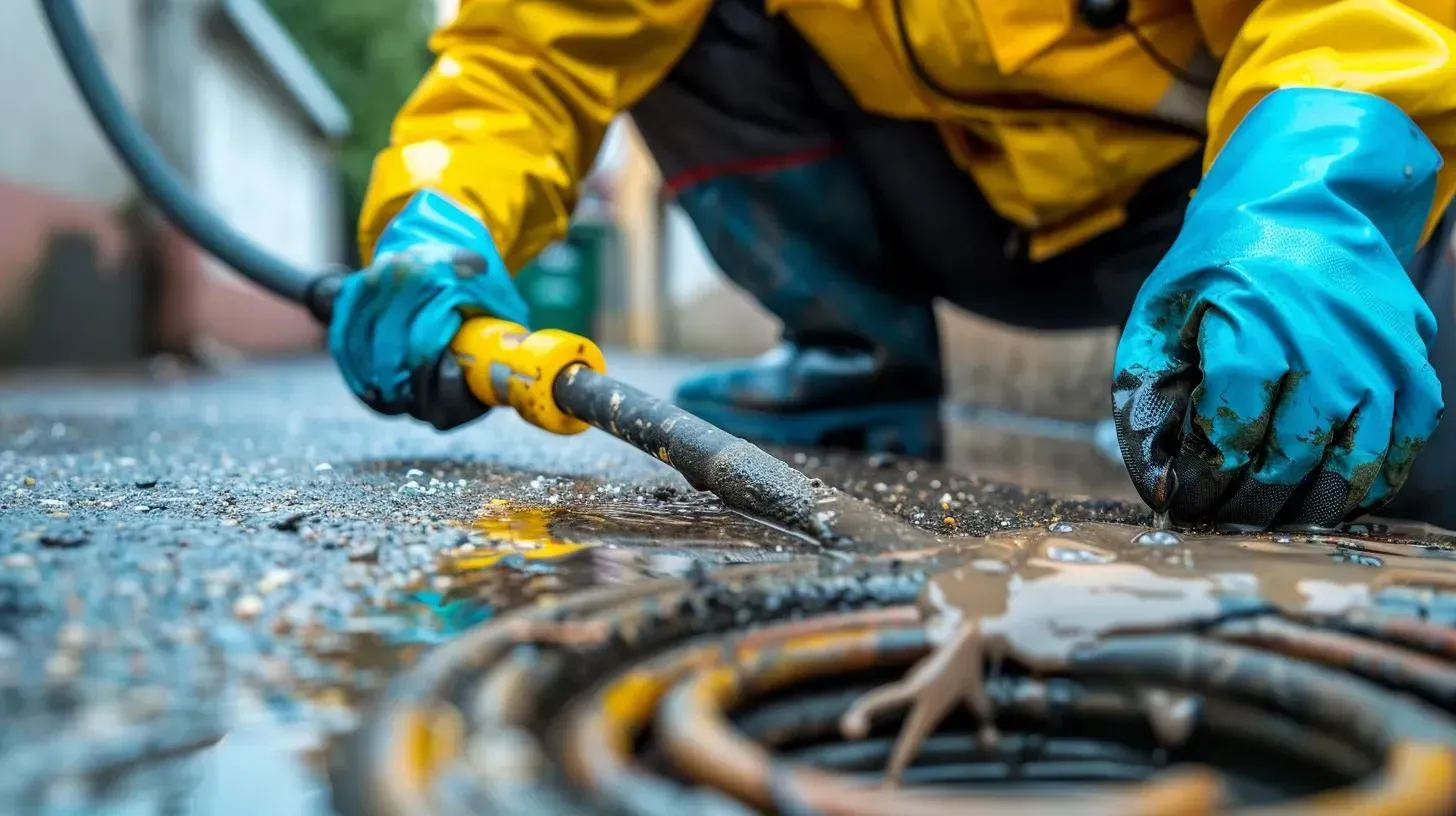
Consider hydrojetting your sewer lines every 2-3 years to clear any root intrusion. Watch for warning signs like multiple drain backups, gurgling toilets, or sewage odors in your yard.
Hard Water Areas
Many Denver Metro communities have hard water, which can accelerate plumbing problems. Plan on more frequent aerator and showerhead cleaning (quarterly rather than annually) and flushing your water heater twice yearly instead of once.
Preventive Tips for Every Season
Year-round preventive practices can save you from most common plumbing emergencies. Be mindful of what goes down your drains. Despite what packaging might claim, "flushable" wipes aren't truly flushable – they don't break down like toilet paper and can cause serious clogs.
Never pour grease, oil, or fat down drains – they solidify and create stubborn blockages. Coffee grounds, eggshells, flour, paint, chemicals, and starchy foods like rice or pasta should also stay far away from your drains.
Keep essential tools on hand: a good plunger (separate ones for toilet and sink), a drain snake, pipe wrench, water pressure gauge, plumber's tape, and a bucket.
Know your plumbing system. Locate and label your main water shut-off valve, identify all fixture shut-offs throughout your home, and understand what pipe material you have.
For optimal water heater performance and safety, maintain your temperature setting at 120°F. For more detailed guidance, check out our guide on Routine Plumbing Maintenance.
DIY vs. Pro: Knowing When to Call in Help
While many annual plumbing maintenance tasks can be handled by homeowners, there are times when professional help is necessary. Here's how to know when to call us at Accountable Home Plumbing:
Warning Signs That Require Professional Attention
-
Water Pressure Issues:
- Sudden drop in water pressure throughout the house
- Extremely high pressure (above 80 PSI)
- Fluctuating pressure without clear cause
-
Drain Problems:
- Multiple drains backing up simultaneously
- Sewage odors coming from drains
- Gurgling sounds from drains or toilets
- Backups that return after repeated clearing attempts
-
Water Heater Concerns:
- Rusty or discolored water
- Rumbling or popping noises
- Inconsistent heating
- Visible rust or corrosion on tank
- Water around the base of the unit
-
Pipe Issues:
- Visible pipe damage or deformation
- Wet spots on walls, floors, or ceilings
- Mold or mildew growth
- Unusually high water bills without explanation
Choosing a Reliable Plumbing Maintenance Provider
When you do need professional help, here's what to look for:
-
Proper Credentials:
- Licensed and insured for your protection
- Good standing with the Better Business Bureau
- Positive online reviews and testimonials
- Experience with your specific plumbing system type
-
Transparent Pricing:
- Upfront quotes before work begins
- Clear explanation of the problem and solution
- No hidden fees or surprise charges
- Written estimates for major work
-
Service Agreements:
- Annual maintenance plans that may save money
- Priority scheduling for members
- Documented service history
- Warranty on parts and labor
-
Local Knowledge:
- Familiarity with Denver Metro plumbing challenges
- Understanding of local building codes
- Knowledge of regional issues (hard water, freeze risks)
At Accountable Home Plumbing, we pride ourselves on meeting all these criteria. Our technicians are familiar with the unique plumbing challenges in Broomfield, Westminster, Thornton, Northglenn, Arvada, Boulder, Denver, and Longmont. We offer upfront pricing with no hidden fees and are available 24/7 for emergencies.
Frequently Asked Questions about Annual Plumbing Maintenance
How often should plumbing maintenance be performed?
For most homes, annual plumbing maintenance works a lot like a yearly checkup at the doctor. Generally, we recommend monthly visual inspections for leaks, quarterly drain cleaning and fixture checks, and a comprehensive inspection every year.
If you live in an older house, have a lot of people using the plumbing each day, or your yard has giant trees nearby, you'll want to be more vigilant—maybe checking things out more often or even having semi-annual sewer line inspections. The same goes for homes with hard water; mineral buildup means you might need to descale fixtures and the water heater more often.
The most important thing is consistency. Regular, simple care prevents headaches down the road.
What tasks can I safely handle myself?
You might be surprised at how much of annual plumbing maintenance you can do on your own—no plumbing license required! Most homeowners are perfectly capable of checking for leaks under sinks and around appliances, cleaning drains using natural methods (like baking soda and vinegar), and cleaning aerators and showerheads to keep water flowing smoothly.
It's also easy to test toilet flappers for leaks, check your water pressure with a simple gauge, test shut-off valves to make sure they're not stuck, and even wrap exposed pipes with insulation to keep them safe from winter's chill.
Of course, some jobs are best left to the pros. Swapping out a water heater, fixing or inspecting a sewer line, working with gas lines, major pipe repairs, or hunting down a hidden leak should be handled by a licensed plumber.
Are there situations that require biannual inspections?
Absolutely! There are certain times when twice-a-year professional checkups are a very smart idea. If your home is more than 50 years old, has large mature trees close to the sewer line, or if you've dealt with plumbing problems before, a biannual inspection is a wise move.
Homes with galvanized or lead pipes, properties in areas with extreme seasonal temperature swings (like we sometimes see here in the Denver Metro area), and houses with sump pumps (especially before the wet spring and fall seasons) should also be checked out every six months. And if you own a vacation home that sits empty for long stretches, make sure to check everything before and after periods of vacancy.
Conclusion
Implementing a regular annual plumbing maintenance routine is one of the smartest investments you can make in your home. Think of it as a safety net that protects not just your pipes, but your peace of mind and your wallet too. The simple steps we've outlined throughout this guide can help you prevent those middle-of-the-night emergencies that always seem to happen at the worst possible times.
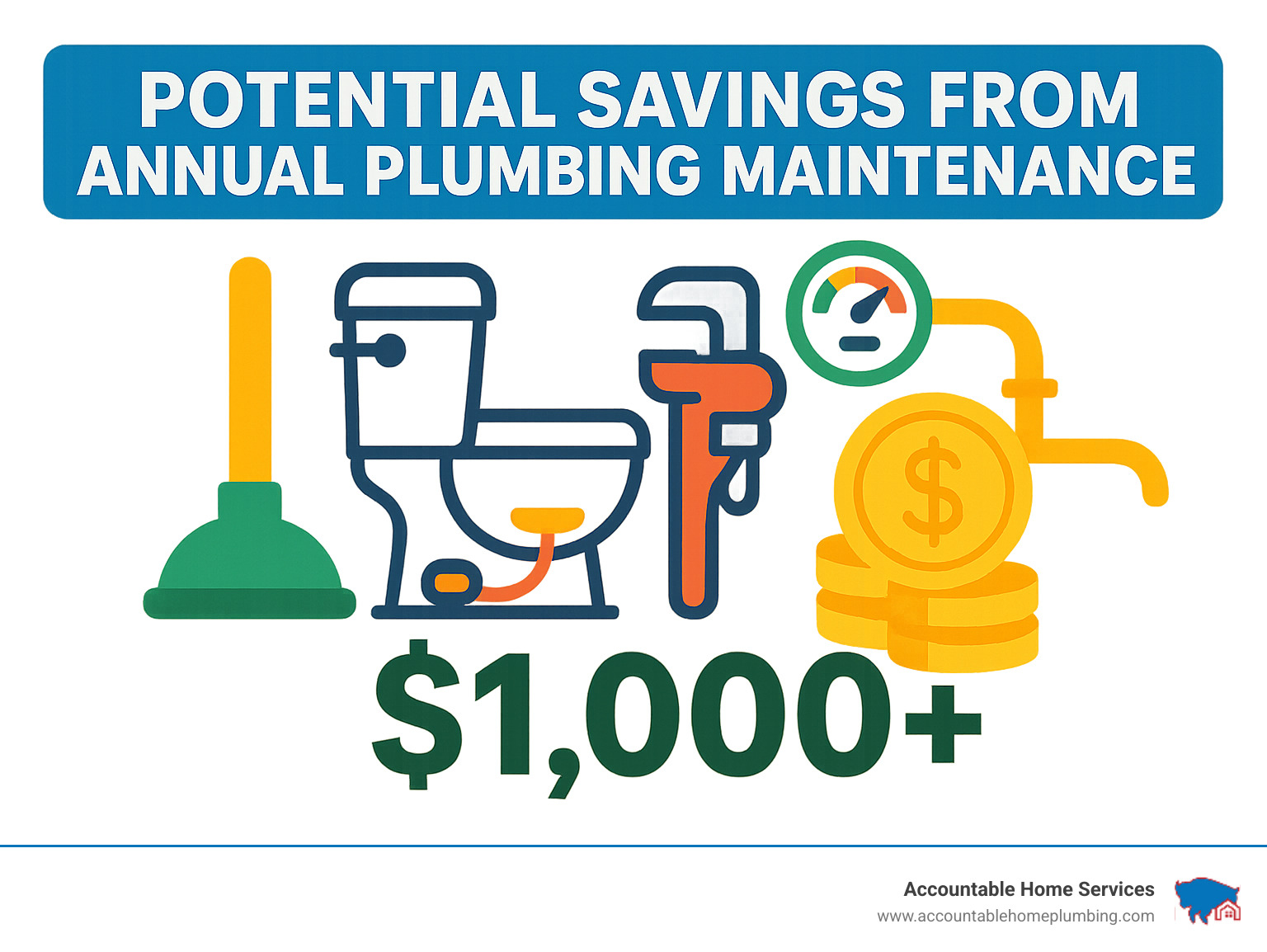
When you consider that a serious plumbing emergency can cost thousands of dollars—not to mention the stress and disruption to your family life—spending a few hours throughout the year on maintenance suddenly seems like a bargain. Those small moments checking for leaks or flushing your water heater can save you from major headaches down the road.
Being proactive is always less expensive than being reactive. That small drip under the sink might seem harmless today, but left unchecked, it could lead to cabinet damage, mold growth, and eventually a much costlier repair.
For those tasks that might be beyond your comfort level, or when you'd like a professional set of eyes to give your system a thorough inspection, we at Accountable Home Plumbing are here to help. Our experienced team proudly serves the entire Denver Metro area, including Broomfield, Westminster, Thornton, Northglenn, Arvada, Boulder, Denver, and Longmont.
We understand that inviting someone into your home requires trust. That's why we've built our business on transparency and reliability, with upfront pricing and no surprise fees. We'll explain exactly what we're doing and why, so you always feel informed and comfortable with the service you're receiving.
Whether you're dealing with a minor leak, need guidance on your annual plumbing maintenance routine, or facing a more complex plumbing challenge, we're just a phone call away.